If you have type 2 diabetes, you've probably heard the same advice again and again: cut back on rice. But what if the type of rice in your pantry matters more than whether you eat rice at all? Some varieties marketed as light and delicate can actually raise your blood sugar harder than a plain bowl of white rice, while a few overlooked choices at the store can blunt that same spike by more than a third. Below, every common type of rice is ranked from worst to best for blood sugar, based on the research, plus a few simple habits that change how any rice affects your glucose.
Why Not All Rice Raises Blood Sugar the Same Way
Rice is mostly starch, a long chain of glucose molecules linked together. Digestion breaks that chain apart and releases sugar into your bloodstream. How quickly that happens is measured by the glycemic index, or GI, which ranks foods by how fast they raise blood sugar after a meal. The higher the number, the steeper the spike, and for someone with type 2 diabetes, those repeated surges force the pancreas to release insulin over and over, wearing down insulin sensitivity over time. What surprises most people is that different rice varieties sit at nearly opposite ends of that scale, even though they look almost identical in a bowl.
Every Type of Rice Ranked, From Worst to Best
Jasmine rice tends to surprise people the most. It looks delicate and smells wonderful, so it feels like a gentle choice, but jasmine rice actually carries one of the highest glycemic index scores of any rice, landing between 68 and 80 depending on how it's cooked [1]. That's because jasmine rice is unusually high in amylopectin, a fast-digesting starch that floods your bloodstream with glucose almost as soon as you swallow it [1].
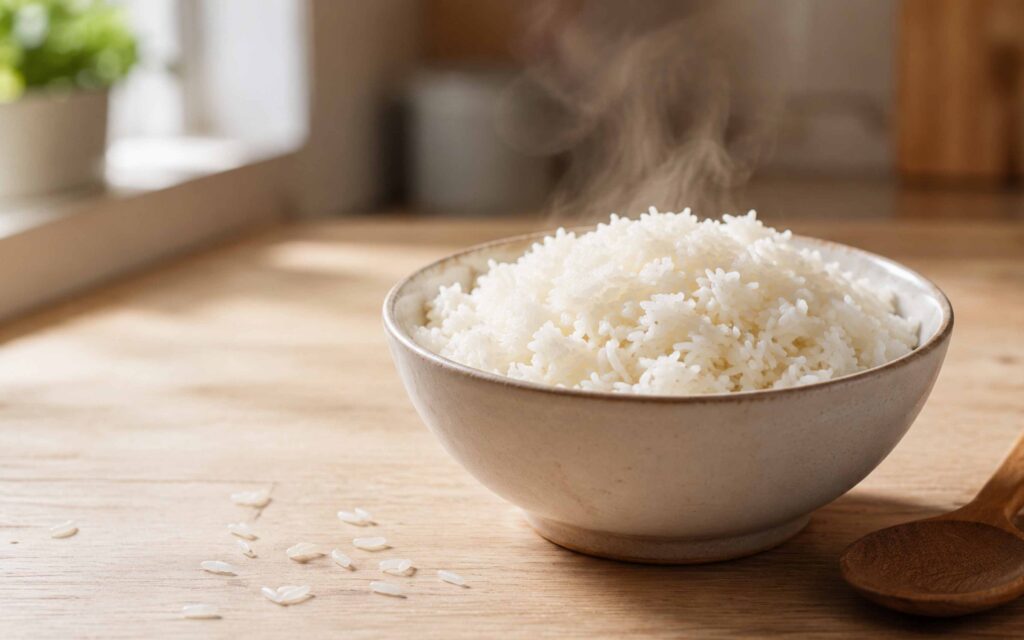
Regular white rice sits close behind. Its bran and germ are stripped away during milling, removing most of the fiber that would normally slow digestion, and research consistently links white rice to higher post-meal blood sugar and a greater long-term risk of type 2 diabetes [2].
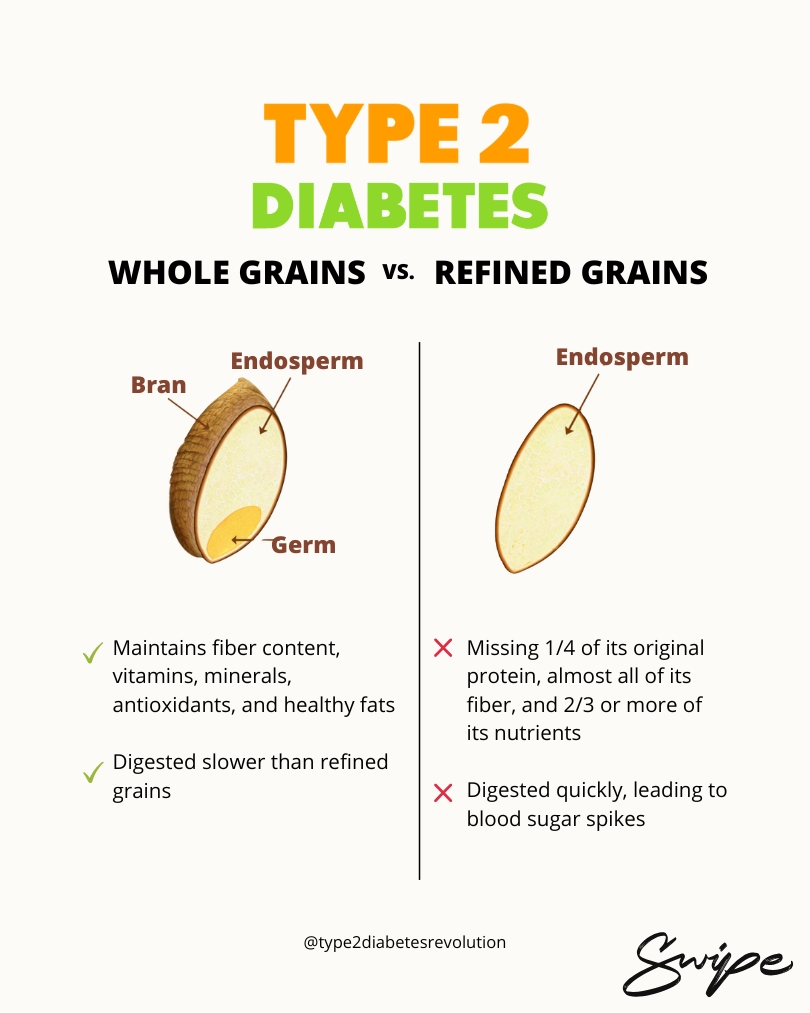
Brown rice is a step up, though not the dramatic fix many people expect. Because it keeps its bran and germ intact, people who eat more brown rice tend to have a lower long-term risk of type 2 diabetes [2]. But when researchers looked at what happens when people with type 2 diabetes swap white rice for brown rice, a review of randomized controlled trials found no meaningful change in HbA1c, the three-month blood sugar average, or in fasting glucose, though participants did see modest weight loss and better HDL cholesterol [3].
Wild rice, technically a grass seed rather than true rice, performs better still, carrying more fiber and protein than white or brown rice. For a broader look at how rice compares with other grains, our guide to the Best Whole Grains for Blood Sugar Control in Type 2 Diabetes rounds up several worth adding to your rotation.
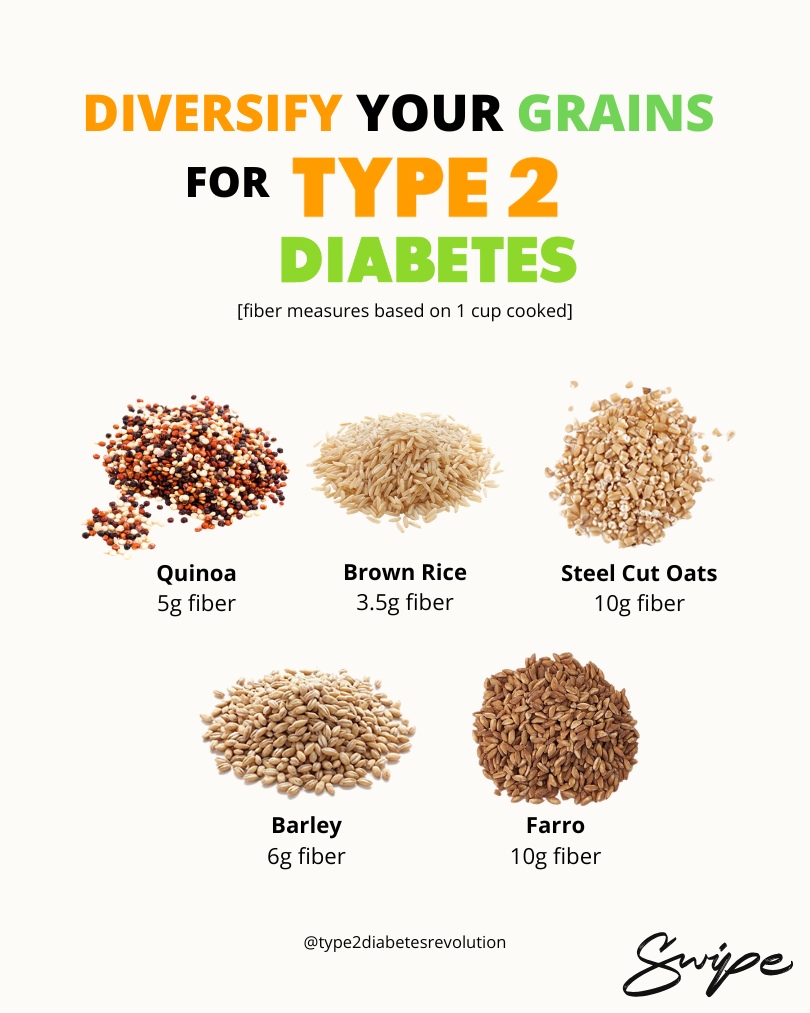
Three options near the top of the list are worth knowing. Germinated brown rice, soaked until it just starts to sprout, lowered fasting blood sugar and improved gut hormones tied to blood sugar regulation over a 12-week trial in people with type 2 diabetes [4].
Parboiled rice, made by steaming rice under pressure before milling, changes the starch structure enough that one study found it cut the post-meal spike by roughly 35% compared with white and brown rice [5], a result a 2025 pilot study confirmed again [6].
The true standout is high-resistant starch rice, a specially bred variety containing more of a starch type your small intestine cannot fully break down. A randomized controlled trial published in Frontiers in Nutrition found that eating this rice for three months lowered post-meal blood sugar, HbA1c, and fasting glucose [7], and a separate review of high-amylose rice found the same pattern across multiple studies [8]. These specialty varieties, sold under names like Cahokia Rice and Parish Rice, are still hard to find in stores but easier to order online.
Portion Size and Pairing Matter Just as Much as Type
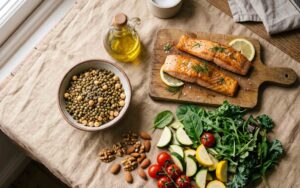
Even the best rice here will spike your blood sugar if the portion is too large, so serving size matters as much as type. A reasonable amount for most people with type 2 diabetes is about one third to one half cup of cooked rice, roughly the size of your cupped palm. Pairing that portion with lean protein, healthy fat, and non-starchy vegetables slows digestion further, and beans or lentils make an especially good partner, since mixing legumes into a rice dish lowers the glycemic response of the whole meal [9]. That's one reason classic combinations like rice and beans have stuck around for generations.
The Cook and Cool Trick That Changes Any Rice
One more habit worth trying is cooking your rice, then letting it cool in the refrigerator for at least 12 hours before eating it. That resting period converts some of the starch into resistant starch, the same slow-digesting starch found naturally in slightly green bananas, a topic we explore in our post on Are Bananas Healthy for People with Type 2 Diabetes? Reheating the rice afterward doesn't undo this effect, so meal-prepping rice ahead of time may actually be gentler on your blood sugar than eating it fresh off the stove [1]. It's a small shift that costs nothing extra and works with almost any rice already in your pantry.
The Easiest Place to Start
You don't have to give up rice for good. What actually moves the needle is choosing the right type, watching your portion, and pairing it wisely. If jasmine or white rice has been your go-to, swapping in parboiled rice is the easiest first step, since it's widely available and backed by some of the strongest research here. From there, wild rice, germinated brown rice, and high-resistant starch varieties are worth exploring as your palate adjusts. None of these changes require an overhaul of how you eat. They're small, research-backed shifts your blood sugar will genuinely notice.
References
[1] Farooq, M., & Yu, J. (2025). Starches in Rice: Effects of Rice Variety and Processing/Cooking Methods on Their Glycemic Index. Foods, 14.
[2] Yu, J., et al. (2022). White rice, brown rice and the risk of type 2 diabetes: a systematic review and meta-analysis. BMJ Open, 12.
[3] Rahim, A., Norhayati, M., & Zainudin, A. (2021). The effect of brown-rice diets on glycemic control and metabolic parameters in prediabetes and type 2 diabetes mellitus: a meta-analysis of randomized controlled trials and controlled clinical trials. PeerJ, 9.
[4] Ding, Q., et al. (2022). Whole grain germinated brown rice regulates intestinal immune homeostasis and gastrointestinal hormones in type 2 diabetic patients, a randomized control trial. Food & Function.
[5] Hamad, S., Zafar, T., & Sidhu, J. (2018). Parboiled rice metabolism differs in healthy and diabetic individuals with similar improvement in glycemic response. Nutrition, 47, 43-49.
[6] Alkandari, S., et al. (2025). Parboiled Rice and Glycemic Control: Effects on Postprandial Glucose, Insulin Sensitivity, and Incretin Response in Healthy and Type 2 Diabetic Individuals, a Pilot Study. Foods, 14.
[7] Tan, L., et al. (2022). Naturally cultured high resistant starch rice improved postprandial glucose levels in patients with type 2 diabetes: A randomized, double-blinded, controlled trial. Frontiers in Nutrition, 9.
[8] Li, J., Yoshimura, K., Sasaki, M., & Maruyama, K. (2024). The Consumption of High-Amylose Rice and its Effect on Postprandial Blood Glucose Levels: A Literature Review. Nutrients, 16.
[9] Pugh, J., Cai, M., Altieri, N., & Frost, G. (2023). A comparison of the effects of resistant starch types on glycemic response in individuals with type 2 diabetes or prediabetes: A systematic review and meta-analysis. Frontiers in Nutrition, 10.

Diana is a nationally recognized Registered Dietitian and Certified Diabetes Care and Education Specialist (CDCES), and holds a Master’s degree in Nutrition Science and Policy from the Tufts Friedman School of Nutrition. She received her education and dietetics training from Villanova University, Tufts University, and UC San Diego Health. Diana has over 8 years of experience working in the field of type 2 diabetes.