


It is well known that type 2 diabetes is a multifactorial disease, meaning many factors contribute to its development. Perhaps less known is the gut microbiome’s role in the onset and progression of the condition. Probiotic supplements have been shown to be beneficial for various diseases, including type 2 diabetes. Research indicates, however, that improving the composition of the gut microbiome through probiotic supplementation may lead to better outcomes in type 2 diabetes. In this article, we examine the potential health benefits of probiotic supplements for those living with type 2 diabetes.
What is the Gut Microbiome?
The human gastrointestinal (GI) tract (sometimes referred to as the “gut”) contains trillions of microorganisms and their associated genes, collectively referred to as the microbiome. These microorganisms (e.g., bacteria, archaea, etc.) are so abundant that they outnumber our human cells!
Our microbiome plays a critical role in our overall health and can even influence the course of numerous conditions, including type 2 diabetes [1]. For example, the gut has both “good” and “bad” microorganisms, but an imbalance between them may increase pathogenic bacteria, promote inflammation, and worsen type 2 diabetes [7] .
What’s more, a groundbreaking discovery revealed differences between the gut microbiomes of diabetic and non-diabetic individuals. These studies revealed an imbalance in the gut microbial composition of individuals with diabetes, known as microbial dysbiosis [2].
Improving the composition of the gut microbiome may therefore lead to better outcomes in type 2 diabetes. The gut microbiome can be altered by our everyday activities, including diet, supplements such as probiotics, and even exercise. For an in-depth review of how diet influences our gut microbiome, read our artilce on the topic.
What Are Probiotics?
Probiotics are live microorganisms that can help replenish the good bacteria in our gut. People often purposefully consume probiotics to improve their health. These health benefits generally result from improvements in the composition of the gut microbiome.

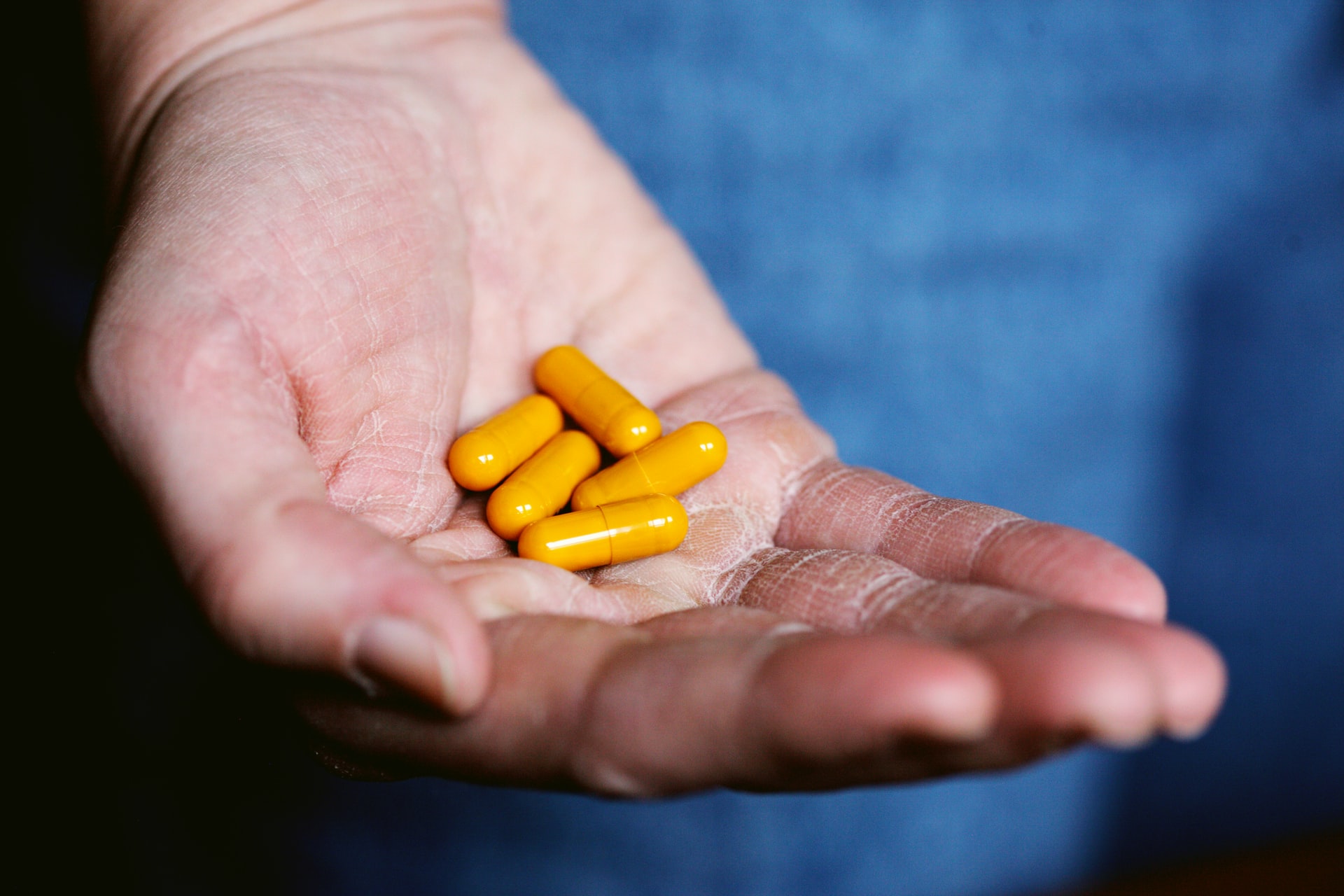
So, how can we incorporate probiotics into our diets? There are several notable sources. These include our food (e.g., yogurt, tempeh), the environment (e.g., dirt, pets), and supplements. In this article, we’ll focus on probiotic supplementation and its impact on type 2 diabetes.
Can Probiotics Improve Type 2 Diabetes?
Over the years, several studies have examined the relationship between probiotic supplements and diabetes-related markers, including fasting blood glucose (FBG), HbA1c, and insulin resistance.
A 2020 meta-analysis examined the effects of probiotics on diabetes biomarkers across 15 randomized controlled trials (RCTs) involving over 900 patients with type 2 diabetes. The researchers found that probiotic supplementation significantly improved HbA1c, fasting blood glucose, and insulin resistance [2]. The authors concluded that the ” results were quite robust and stable,” indicating grounds for the use of probiotics as an additional treatment option for type 2 diabetes.
Another 2020 meta-analysis comprising 32 RCTs yielded similar findings. Probiotic supplements reduced fasting glucose, HbA1c, and fasting insulin levels. When specifically examining fasting blood glucose, both short-term (8 weeks or less) and long-term (12 weeks or more) studies showed that probiotic supplementation significantly reduced FBG levels.
What’s more, the researchers examined changes in other health markers, including reductions in total cholesterol, triglycerides, and CRP (a marker of inflammation) [3].
A 2021 systematic review and meta-analysis examined changes in glucose levels before and after probiotic supplementation. The outcomes also revealed that probiotics lowered FBG in both the short-term and long-term, and those with glucose levels above 130mg/dL tended to see more remarkable results [4]. Lastly, several other studies have found that probiotics positively impact fasting insulin levels [6].
There are many possible reasons why probiotics may impact blood sugar levels. One common hypothesis is that probiotics may affect the metabolites produced by the gut microbiome. Examples of these metabolites include the short-chain fatty acids butyrate and acetate, both of which have been associated with changes in glucose metabolism [5]. However, as with most aspects of the evolving field of nutrition, more research is needed to elucidate the role of probiotics in improving type 2 diabetes.
What is the Best Probiotic for Type 2 Diabetes?
Like most supplements, probiotics are available in many forms. Because of this, it can be overwhelming to decide which one is best for you.
One of the most important differences between probiotic supplements is the ingredients, notably, which probiotic strains they contain. There are hundreds of unique probiotic strains, and each performs different functions in the body. Although the verdict is still in the air as to which probiotic strains are best for those with type 2 diabetes, it is crucial to ensure that your probiotic supplement meets the following general criteria:

Adequate Amount of Probiotics: When taking a probiotic, the goal is for the “good” bacteria to form colonies within your gut. Once they’ve formed a colony, they’re able to jump into action and start changing your gut microbiome for the better. To give yourself the best chance of forming these colonies, you need to ensure that your supplement has at least one million colony-forming units (or CFUs). This is considered the minimum amount of CFUs to provide therapeutic benefits.
Live Cultures: If you’re taking probiotics to improve your health, they must be alive when you take them. There are several ways that you can ensure this. First, check the expiration date to ensure the probiotics are not expired. Additionally, check the storage instructions. Some probiotic supplements may require refrigeration, for example.
Is It Safe For Diabetics to Take Probiotics?
Since probiotic supplements are composed of the “good” bacteria that already exist within our bodies, they are generally considered safe for most individuals. However, you should always check with your care team (e.g., your physician, dietitian, or other qualified health professional) when considering a new supplement.
Some groups (such as those who have recently undergone surgery, the immunocompromised, and the critically ill) should be cautious about probiotic supplementation. However, no safety concerns have been widely reported regarding probiotics for the diabetic community.
Final Thoughts on Probiotics for Type 2 Diabetes
Supplements alone, including probiotics, will never treat or cure type 2 diabetes. Proper diet and other lifestyle modifications are imperative to reversing or delaying the progression of this condition. However, with many individuals seeking to complement their diabetes treatment, probiotic supplementation may be a practical and effective addition. With several studies showing the positive effects of probiotics, using them as a therapeutic agent for type 2 diabetes seems promising. In addition to their potential anti-diabetic properties, probiotics have been linked to improvements in blood lipid and blood pressure levels, as well as overall metabolic control (all of which play an important role in diabetes management) [3].
References
[1] Diamant et al. (2011). Do nutrient-gut-microbiota interactions play a role in human obesity, insulin resistance and type 2 diabetes? Obesity Reviews.
[2] Zhang et al. (2020). Effects of probiotics on type II diabetes mellitus: a meta-analysis. Journal of Translational Medicine.
[3] Kocsis et al. (2020). Probiotics have beneficial metabolic effects in patients with type 2 diabetes mellitus: a meta-analysis of randomized clinical trials. Scientific Reports.
[4] Rittiphairoj et al. (2021). Probiotics Contribute to Glycemic Control in Patients with Type 2 Diabetes Mellitus: A Systematic Review and Meta-Analysis. Advances in Nutrition.
[5] Mueller et al. (2020). Effects of high-fiber diets enriched with carbohydrate, protein, or unsaturated fat on circulating short chain fatty acids: results from the OmniHeart randomized trial. American Journal of Clinical Nutrition.
[6] Tonucci et al. (2019). Do Probiotics Improve the Health Status of Individuals with Diabetes Mellitus? A Review on Outcomes of Clinical Trials. BioMed Research International.
[7] Sharma & Tripathi (2019). Gut microbiome and type 2 diabetes: where we are and where to go? Journal of Nutritional Biochemistry.

Xavier Toledo, MS, RD, LDN, is a registered dietitian with a bachelor’s and master’s degrees in nutrition science from Boston University. With a background in both clinical nutrition and health communications, Xavier blends scientific expertise with a fresh, accessible voice.













Leave a Comment