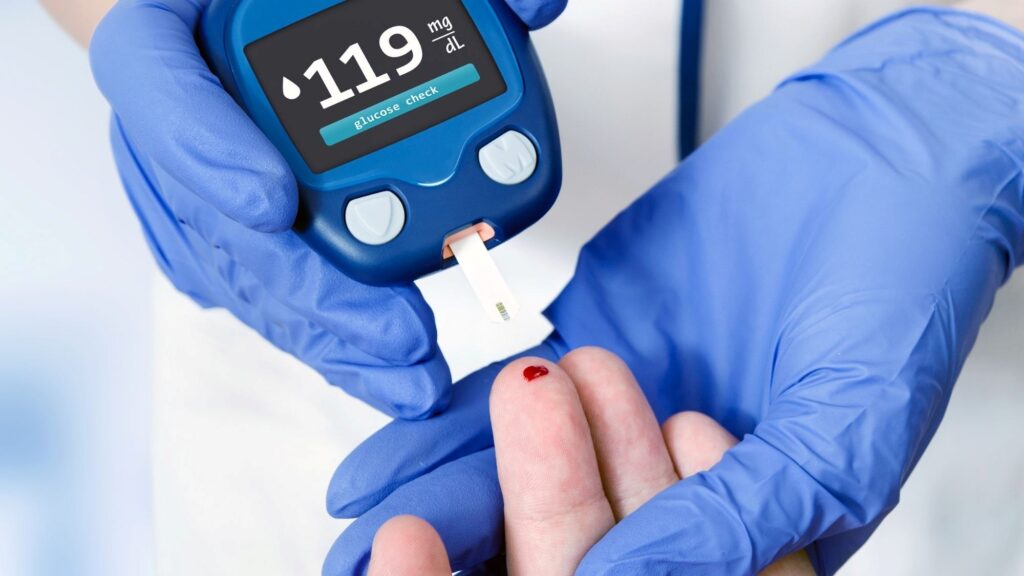
If you have type 2 diabetes and your doctor is only checking your A1C, you're missing the full picture. Diabetes doesn't just affect your blood sugar; it affects your heart, kidneys, hormones, and inflammation levels. These 10 blood tests give you a complete roadmap of what's actually going on in your body, and more importantly, what you can do about it.
Why One Test Is Never Enough
Most doctors rely on the A1C as the gold standard for tracking diabetes. And it is important because it reflects your average blood sugar over the past three months by measuring how much glucose is attached to your red blood cells. A normal A1C is below 5.7%, prediabetes falls between 5.7–6.4%, and diabetes is 6.5% or higher. But here's the catch: A1C doesn't tell you why your blood sugar is high. It tells you that it is. That's exactly why the other tests on this list matter so much.
Your fasting blood glucose is the logical starting point; it measures your blood sugar after an overnight fast, with normal being under 100 mg/dL. But fasting glucose alone can be misleading. You can have a perfectly normal fasting number and still be significantly insulin resistant. This is where fasting insulin becomes one of the most valuable (and most overlooked) tests available. Insulin levels can be elevated for years before blood sugar ever rises, because your pancreas is quietly overcompensating. When fasting insulin is high, it's an early warning sign that gives you a real window to reverse the process before it progresses further.
The Tests Your Doctor Rarely Orders (But Should)
C-peptide is closely tied to fasting insulin. When your pancreas produces insulin, it releases an equal amount of C-peptide, so this marker directly reflects how much insulin-producing capacity you have left. If you've had diabetes for several years or your blood sugar has been difficult to control, this test helps determine whether your pancreas is still doing its job or becoming exhausted from years of overwork. Catching this early gives you the best chance to protect that function.
C-reactive protein (CRP) measures systemic inflammation, and if you have type 2 diabetes, this one deserves serious attention. Research confirms that chronic low-grade inflammation plays a direct role in worsening insulin resistance, and elevated CRP is an independent risk factor for cardiovascular complications in people with diabetes [1][2]. The encouraging news is that inflammation responds well to dietary changes: more fiber, more anti-inflammatory foods like fruits, vegetables, and omega-3-rich sources, and less saturated fat can significantly lower CRP.
Vitamin D is another commonly missed marker. According to a 2024 systematic review and meta-analysis published in Diabetes, Obesity and Metabolism, vitamin D supplementation significantly reduced fasting blood glucose, A1C, and insulin resistance in people with type 2 diabetes, particularly in those who were deficient at baseline [3]. Most people are low in vitamin D, especially if they spend limited time outdoors. Optimal levels fall between 40–60 ng/mL, and getting there through D3 supplementation is relatively straightforward once you know where you stand.
Lastly, cortisol is your primary stress hormone. When cortisol is chronically elevated, whether from emotional stress, poor sleep, or physical strain, it signals your liver to release glucose into the bloodstream, keeping blood sugar persistently high. Managing stress through sleep, movement, and recovery isn't optional when you're trying to reverse insulin resistance. High cortisol will quietly undermine every other effort you're making.
The Test That Matters If You Take Metformin
If you're on metformin, one of the most commonly prescribed medications for type 2 diabetes, there are two additional tests worth tracking regularly. The first is vitamin B12. Metformin is known to deplete B12 over time by interfering with its absorption in the gut. A large study published in Diabetes Research and Clinical Practice found that long-term metformin users had a 67% higher likelihood of B12 deficiency than non-users, and this deficiency was associated with a higher prevalence of peripheral neuropathy [4]. B12 is essential for nerve function, energy production, and red blood cell formation, so if your levels are low, it's worth discussing supplementation with your doctor.
Rounding Out the Picture: Lipid Panel, GFR, and Kidney Function
A standard lipid panel measures total cholesterol, LDL, HDL, and triglycerides. People with type 2 diabetes already carry a higher risk of heart disease, which makes this panel essential. Triglycerides above 150 mg/dL and LDL above 100 mg/dL are particular areas to watch. Many of the same habits that improve insulin sensitivity, such as more fiber, less saturated fat, and more physical activity, also improve these numbers directly.
Finally, GFR (glomerular filtration rate) indicates how well your kidneys filter waste. High blood sugar and high blood pressure damage kidney tissue over time, and early decline often has no symptoms. A GFR of 90 or above is normal; below 60 signals moderate to significant kidney stress. Catching a drop early is what gives you the best chance to slow or stop further damage.
If you haven't had all of these tests recently, bring this list to your next appointment and ask for them. Knowing your numbers is the first step, but taking consistent action on what you find is where real change happens.
References
[1] Stanimirovic et al. (2022). Role of C-Reactive Protein in Diabetic Inflammation. Mediators of Inflammation.
[2] Sharif et al. (2021). Low-grade inflammation as a risk factor for cardiovascular events and all-cause mortality in patients with type 2 diabetes. Cardiovascular Diabetology.
[3] Chen et al. (2024). Efficacy of vitamin D supplementation on glycaemic control in type 2 diabetes: An updated systematic review and meta-analysis. Diabetes, Obesity and Metabolism.
[4] Sepassi et al. (2025). Associations between long-term metformin use, the risk of vitamin B12 deficiency, and neuropathy: An All of Us Research Program study. Diabetes Research and Clinical Practice.