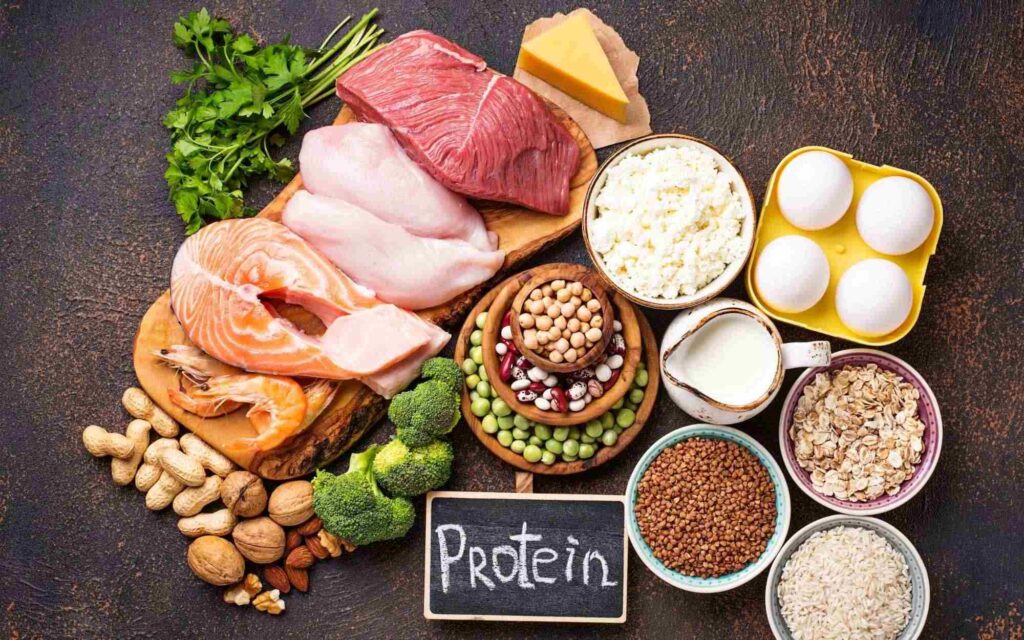
If you have type 2 diabetes, you’ve probably heard that protein is good for your blood sugar. You’ve also probably heard that too much protein is bad for your kidneys. And then someone on the internet told you to eat a pound of chicken every day. So which is it?
Here’s the truth: protein can absolutely help you manage, and in some cases reverse, type 2 diabetes. But the amount matters, and the type matters even more. Get it wrong, and you could be making things worse without realizing it.
Why Protein Matters for Blood Sugar
Most people think reversing diabetes is just about cutting carbs. And yes, carbs have a huge impact on blood sugar. But here’s what gets missed: protein helps you stay full, it helps preserve muscle mass, and your muscles are essentially sponges for glucose. The more healthy muscle you have, the better your body can pull sugar out of your bloodstream and use it for energy [1].
Protein also has a much gentler effect on blood sugar compared to carbs. It doesn’t spike your insulin the way bread or pasta does. When you replace some of those refined carbs with quality protein, you’re lowering the demand on your pancreas. But not all protein sources are created equal, and eating too much of the wrong kind can actually increase your diabetes risk.
The Research-Backed Protein Range for Diabetes
The research points to a safe, effective range of about 0.8 to 1.3 grams of protein per kilogram of body weight per day, which works out to roughly 10-20% of your total daily calories. To find your personal target, divide your weight in pounds by 2.2 (that gives you kilograms), then multiply by 0.8 for the low end and 1.3 for the high end. For someone who weighs 200 pounds, that’s roughly 73 to 118 grams of protein per day [1].
If you’re actively trying to lose weight, and even a 5-10% reduction in body weight can dramatically improve insulin sensitivity, you can go a bit higher, closer to 1.2-1.5 grams per kilogram. Higher protein during weight loss helps you stay satisfied, protects your lean tissue, and can modestly improve your A1C [1].
A major national study conducted by the Indian Council of Medical Research (ICMR-INDIAB), which included over 18,000 adults, found that people who achieved diabetes remission were eating about 19–20% of their calories from protein, not 40 or 50% [2]. You don’t need to go extreme. You just need to be in that moderate range.
Plant Protein vs. Animal Protein: What the Data Shows
This is where it gets really interesting. A 5-year trial called the CORDIOPREV study followed people with heart disease and newly diagnosed type 2 diabetes. Those who increased their plant protein intake, from foods like beans, lentils, whole grains, and nuts, were 71% more likely to achieve diabetes remission than those who decreased it. And here’s the part that surprised researchers: they didn’t even lose weight [3].
On the other hand, a systematic review and meta-analysis published in Clinical Nutrition found that higher animal protein intake was associated with increased diabetes risk in a dose-dependent manner. Replacing just 20 grams of animal protein per day with plant protein, about the amount in one small chicken breast, was associated with a 20% lower risk of type 2 diabetes [4].
A separate meta-analysis of randomized controlled trials confirmed that swapping animal protein for plant-based sources led to meaningful reductions in A1C, fasting glucose, and fasting insulin [5].
Why the difference? When you eat plant protein, you also get fiber, antioxidants, and phytonutrients that help reduce inflammation and improve insulin sensitivity. When you eat red and processed meat, you’re often getting saturated fat and compounds that promote inflammation, both of which worsen insulin resistance over time [1]. Practical options include black beans, chickpeas, lentils, almonds, walnuts, chia seeds, tofu, tempeh, and whole grains like quinoa and oats.
What You Need to Know About Protein and Your Kidneys
Diabetes is one of the leading causes of kidney disease, and your kidneys are the organs that filter waste products from the blood. If your kidneys are healthy, the 0.8-1.3 gram range is safe. But if there’s any sign of kidney stress, most guidelines recommend staying at or below 0.8 grams per kilogram per day [6]. Ask your doctor to check your GFR (glomerular filtration rate) and urine albumin, two simple tests that tell you exactly where your kidneys stand.
Plant protein has an edge here, too. Research shows that plant-based protein sources produce fewer uremic toxins and less metabolic waste for your kidneys to filter [7]. According to the American Kidney Fund, plant proteins offer measurable kidney protection compared to animal-heavy diets [8]. So if kidney health is part of your picture, leaning toward plant protein isn’t just a blood sugar strategy; it’s a kidney-protective one.
Protein plays a powerful role in managing type 2 diabetes, but it’s not a more-is-better situation. Aim for that 0.8-1.3 gram per kilogram range, shift toward more plant-based sources, and get your kidney function tested so you can personalize your approach. Start with one plant-protein meal a day, a lentil soup, a bean bowl, oatmeal with nuts, and build from there. Small, consistent changes are what add up to real results.
References
[1] Bray, G.A. et al. (2024). Impacts of dietary animal and plant protein on weight and glycemic control in health, obesity and type 2 diabetes: friend or foe? Frontiers in Endocrinology.
[2] Anjana, R.M. et al. (2022). Macronutrient Recommendations for Remission and Prevention of Diabetes in Asian Indians Based on a Data-Driven Optimization Model: The ICMR-INDIAB National Study. Diabetes Care.
[3] Gutierrez-Mariscal, F.M. et al. (2023). Changes in quantity plant-based protein intake on type 2 diabetes remission in coronary heart disease patients: from the CORDIOPREV study. European Journal of Nutrition.
[4] Ardakani, A.F. et al. (2024). Association between total, animal, and plant protein intake and type 2 diabetes risk in adults: A systematic review and dose-response meta-analysis. Clinical Nutrition.
[5] Viguiliouk, E. et al. (2015). Effect of Replacing Animal Protein with Plant Protein on Glycemic Control in Diabetes: A Systematic Review and Meta-Analysis of Randomized Controlled Trials. Nutrients.
[6] Kalantar-Zadeh, K. et al. (2017). Diet and Diabetic Kidney Disease: Plant Versus Animal Protein. Current Diabetes Reports.
[7] Garneata, L. et al. (2021). Plant-Based versus Animal-Based Low Protein Diets in the Management of Chronic Kidney Disease. Nutrients.
[8] American Kidney Fund. (2024). Key benefits of plant proteins in your kidney-friendly food plan.








2 Responses
How much fat is to much with type 2 diabetes
Fat should make up 20-35% of total calories; saturated fat whould be kept below 6%.