If you have type 2 diabetes or prediabetes, snacks are easily the trickiest part of your day. Crackers, granola bars, and pretzels are marketed as “healthy,” yet they often send blood sugar climbing faster than you'd expect. Nuts sit in a completely different category, and research backs them up. They're low in carbohydrates, high in healthy fats, fiber, and protein, and that combination slows how fast glucose enters the bloodstream, sparing you the spike-and-crash cycle processed snacks create.
But here's where it gets interesting. Not every nut is equally helpful for blood sugar. A growing body of clinical research has actually compared different varieties head-to-head (almonds, pistachios, cashews, peanuts, walnuts), and one stands out as the strongest overall pick for people managing type 2 diabetes. Below, we'll walk through what the science says, why one variety edges out the rest, and how to eat them so you actually see results.
Why Nuts Work So Well for Blood Sugar Control
The magic of nuts comes from how their nutrients work together. Their fat, protein, and fiber content slows digestion, which means glucose enters the bloodstream gradually rather than all at once. Smaller post-meal spikes mean less demand on the pancreas for insulin, and over time, less stress on a system that's already struggling. Multiple meta-analyses of randomized controlled trials have shown that regular nut consumption modestly lowers HbA1c (your three-month blood sugar average) and fasting glucose, especially when nuts replace refined carbohydrates in the diet [1, 2].
Insulin sensitivity itself appears to improve, too. In a comprehensive review published in Nutrients, researchers documented that nut intake helps muscle and liver cells respond to insulin again, the core issue in type 2 diabetes [3]. And contrary to the common worry that nuts are too fattening to fit into a diabetes-friendly eating pattern, meta-analyses confirm that nut consumption does not promote weight gain in people with diabetes [4]. The healthy fats and fiber actually increase satiety, which can help control overall calorie intake throughout the day.
The Nuts That Earned Their Place on the List
Almonds are probably the most well-known healthy snack nut, and for good reason. Clinical trials show they improve post-meal blood sugar levels, lower LDL (“bad”) cholesterol, and increase satiety, all of which are relevant for people with type 2 diabetes, who already face elevated cardiovascular risk [3]. Pistachios deserve a spot near the top as well. They produce favorable post-meal glycemic and lipid responses, and their high fiber and antioxidant content (especially lutein and vitamin E) help fight the oxidative stress that damages blood vessels in diabetics.
Cashews surprise a lot of people. They have slightly more carbohydrate than other nuts, so some folks avoid them, but a well-designed 12-week trial in adults with type 2 diabetes found that daily cashew intake raised HDL (“good”) cholesterol and lowered systolic blood pressure without worsening blood sugar [5]. Peanuts (technically a legume, but functionally a nut here) hold their own with similar glycemic benefits to almonds, and large studies link peanut butter consumption to lower type 2 diabetes risk. Even Brazil nuts, eaten in small amounts, have been shown to reduce oxidative stress in overweight individuals with type 2 diabetes, though their high selenium content means a couple a day is plenty.
Why Walnuts Take the Top Spot
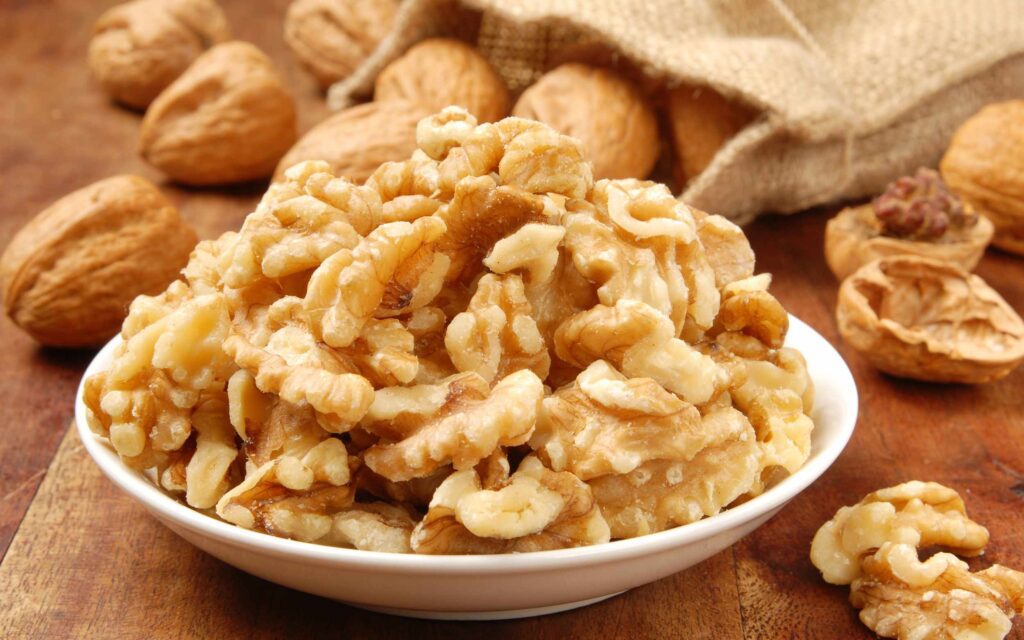
When the full body of evidence is weighed, walnuts edge out the rest, and the reasons are worth understanding. Walnuts are the only common nut that is significantly high in alpha-linolenic acid (ALA), a plant-based omega-3 fatty acid. Omega-3s are powerfully anti-inflammatory, and chronic, low-grade inflammation is one of the key drivers of insulin resistance. When cells are inflamed, they stop responding well to insulin's signal. Calming that inflammation helps insulin do its job again, which is exactly what someone with type 2 diabetes needs.
Walnuts have also been shown to directly improve insulin sensitivity, lower LDL cholesterol, and improve post-meal glucose in people with type 2 diabetes [3, 6]. Heart health matters here, too. According to the American Heart Association, people with diabetes face two to four times the cardiovascular risk of the general population, and walnuts have some of the strongest evidence of any food for improving blood vessel function and cholesterol. Most striking, a large 2023 study tracking nut consumption among people with type 2 diabetes found that regular nut eaters, particularly those who ate walnuts, had significantly lower all-cause mortality than non-nut eaters [7]. That's a benefit well beyond a single fasting glucose number.
How Much to Eat, When, and What to Avoid
The clinically studied amount is about one ounce (30 grams) per day, a small handful, or roughly 14 walnut halves. More isn't better, since nuts are calorie-dense. Choose unsalted, uncoated varieties whenever possible. Honey-roasted, candy-coated, or heavily salted versions undo a lot of the benefit by sneaking added sugar and sodium back into your day.
The most powerful strategy is to replace, not add. Swap a serving of crackers, chips, or granola for a small handful of walnuts rather than piling nuts on top of your current diet. That's how clinical trials are typically designed, and that's where the metabolic benefits actually show up [2]. Timing-wise, nuts work well between meals to stabilize blood sugar, sprinkled over oatmeal or Greek yogurt at breakfast, or eaten with a higher-carb meal to blunt the glucose response.
Final Thoughts
Nuts aren't a cure for type 2 diabetes, but they're one of the most consistently helpful foods you can add to your routine. They improve insulin sensitivity, lower cholesterol, support heart health, and, in the case of walnuts, are linked to a longer life in people with diabetes. A small daily handful, swapped in for a less helpful snack, is enough to make a measurable difference.
References
[1] Tindall, A. et al. (2019). The effect of nuts on markers of glycemic control: a systematic review and meta-analysis of randomized controlled trials. The American Journal of Clinical Nutrition.
[2] Viguiliouk, E. et al. (2014). Effect of Tree Nuts on Glycemic Control in Diabetes: A Systematic Review and Meta-Analysis of Randomized Controlled Dietary Trials. PLoS ONE.
[3] Kim, Y., Keogh, J., & Clifton, P. (2017). Benefits of Nut Consumption on Insulin Resistance and Cardiovascular Risk Factors: Multiple Potential Mechanisms of Actions. Nutrients.
[4] Fernández-Rodríguez, R. et al. (2021). Nut consumption, body weight, and adiposity in patients with type 2 diabetes: a systematic review and meta-analysis of randomized controlled trials. Nutrition Reviews.
[5] Mohan, V. et al. (2018). Cashew Nut Consumption Increases HDL Cholesterol and Reduces Systolic Blood Pressure in Asian Indians with Type 2 Diabetes: A 12-Week Randomized Controlled Trial. The Journal of Nutrition.
[6] Hernández-Alonso, P. et al. (2017). Nuts and Dried Fruits: An Update of Their Beneficial Effects on Type 2 Diabetes. Nutrients.
[7] Zhang, X. et al. (2023). Associations of Nut Consumption with All-Cause Mortality among Individuals with Type 2 Diabetes. The Journal of Nutrition.