The average American adult eats about 17 teaspoons of added sugar every day, which adds up to around 60 pounds a year [1]. If you live with type 2 diabetes or prediabetes, that steady stream may be why your blood sugar feels stuck. As a registered dietitian and certified diabetes care and education specialist, I often hear, “I know I should cut back, I just can't stop.” The truth is that sugar cravings are rooted in biology, not a lack of willpower. Below, I'll show you where most added sugar comes from, how to cut back without feeling deprived, and how to spot it on a label.
The Daily Sugar Limit Most of Us Blow Past by Lunch
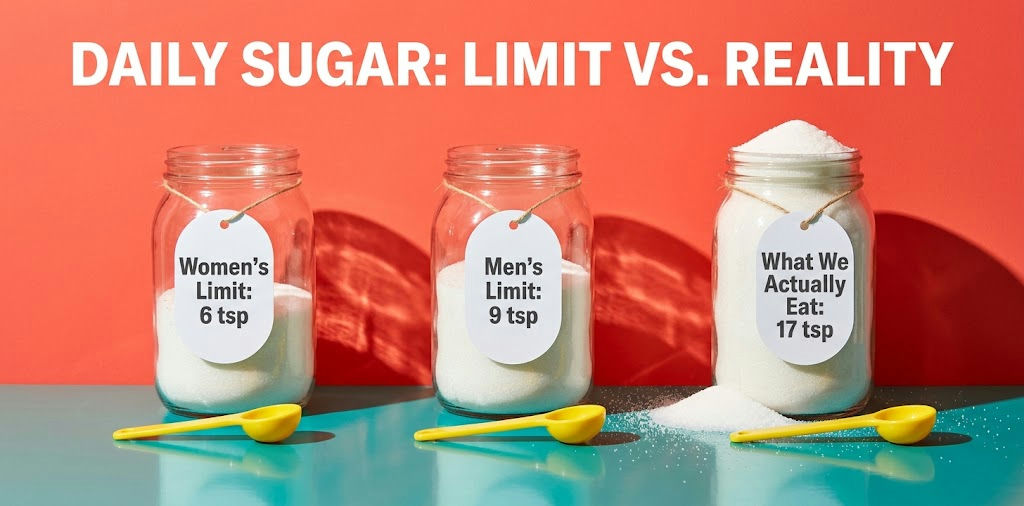
Added sugar is any sugar or syrup put into food during processing or cooking, not the natural sugar in a whole apple or a glass of milk. According to the American Heart Association, women should aim for no more than 6 teaspoons (25 grams) of added sugar a day, and men no more than 9 teaspoons (36 grams) [1]. That means the average adult eats close to triple the limit for women. Each time you eat added sugar, your blood sugar rises, and your pancreas releases insulin to bring it down.
When this happens over and over, especially alongside weight gain, your cells can stop responding well to insulin. That's insulin resistance, the root driver of type 2 diabetes. One large study followed nearly 12,000 U.S. adults and found that people who got 25% or more of their calories from added sugar were nearly three times as likely to die from heart disease as those who got less than 10% [2]. To learn which numbers to track, read Normal vs. Optimal: The 4 Blood Sugar Numbers to Know.
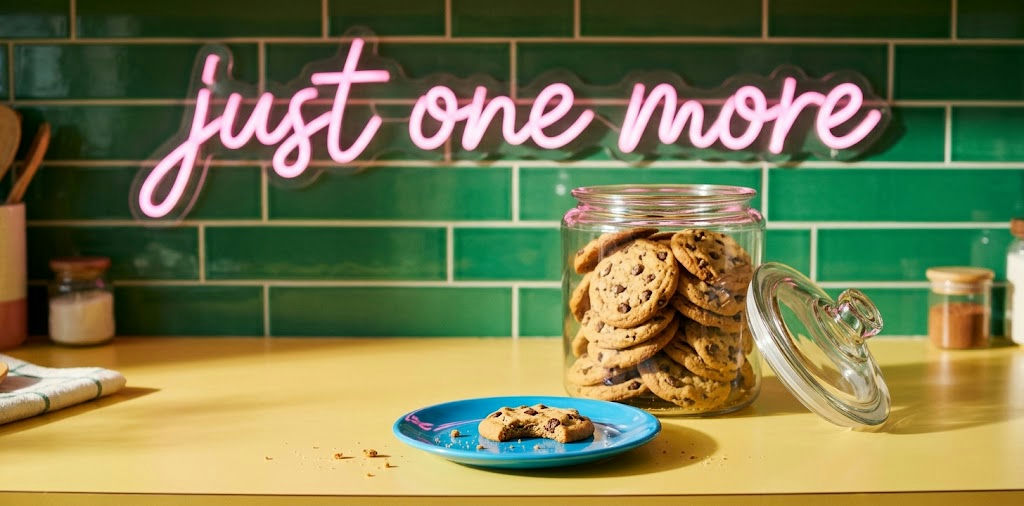
Why You Can't Stop at One Cookie (Hint: It's Not Willpower)
Eating sugar lights up your brain's reward system, releasing feel-good chemicals like dopamine and endorphins that make you want more [3]. Over time, a high-sugar diet may change how these reward pathways respond, which can lead to stronger cravings [3]. A review of more than 300 studies also linked heavy sugar intake to changes in mood, stress, and impulse control [4]. Scientists still debate whether sugar is truly addictive like a drug, but the pull you feel is real, and you can learn to work with it.
The 5 Foods Behind Two-Thirds of Your Added Sugar
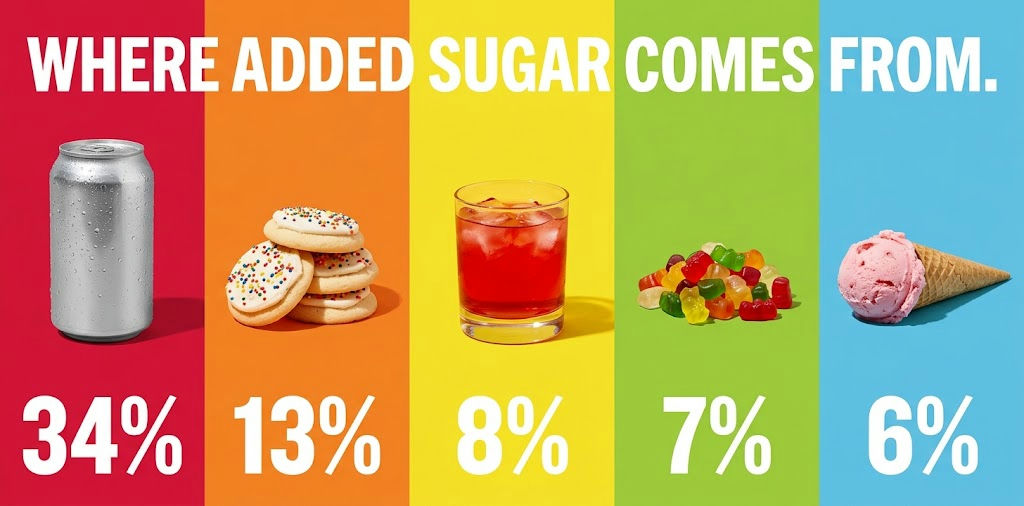
A study of national U.S. diet data found that soda, energy drinks, and sports drinks are the number one source of added sugar, making up 34.4% of the total [5]. One 12-ounce can of regular soda has about 10 teaspoons of sugar, putting a woman over her daily limit in one drink [1]. Next come grain-based desserts like cookies, cakes, and donuts at 12.7%, followed by fruit drinks at 8%, candy at 6.7%, and dairy desserts like ice cream at 5.6% [5]. Together, these five categories make up more than two-thirds of the added sugar Americans eat. Surprisingly, candy only ranks fourth.
That's why the biggest win for most people is changing what's in their glass. If you can't give up soda yet, a diet version is a reasonable first step. Fruit juice sounds healthy, but without the fiber, it's a concentrated dose of sugar, so it's worth dropping if you have diabetes. For better options, check out 4 Drinks That Will Quietly Help Your Blood Sugar. Also watch for hidden sugar in bread, cereal, flavored yogurt, and pasta sauce.
The Lesser-Known Ways to Shrink Sugar Cravings
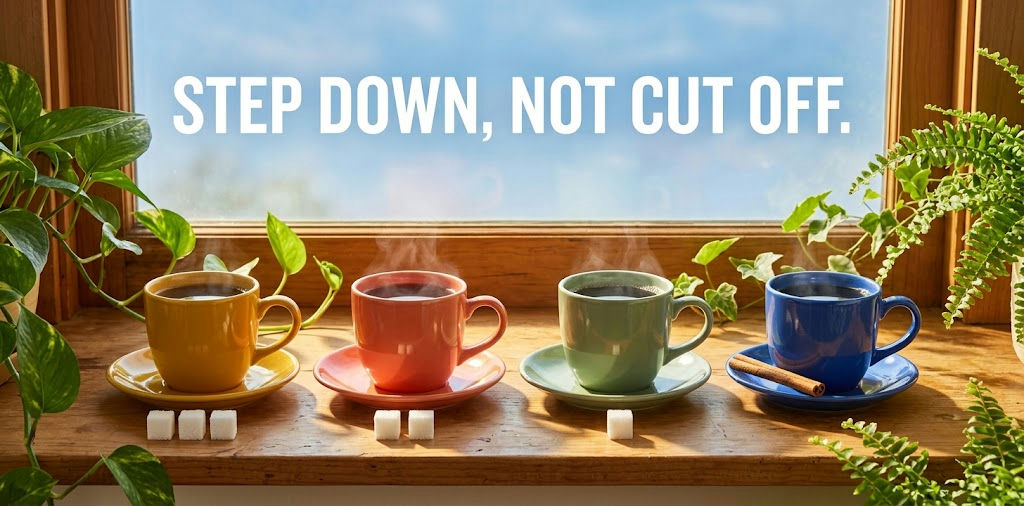
You don't have to quit cold turkey. In a six-month trial, researchers either lowered the sweetness of habitual soda drinkers' beverages step by step or cut it all at once [6]. Among U.S. drinkers of full-sugar soda, both methods helped people stay satisfied with a less sweet drink [6]. In other words, your taste buds can adjust, so choose the pace you can stick with. One easy approach is to cut your usual amount by about a quarter each week.
Next, feed your blood sugar so it stops begging for fast fuel. Many cravings are really your body reacting to a blood sugar crash. Pairing carbs with protein, fiber, and healthy fat slows that spike, so you get fewer crashes. Instead of a plain granola bar, try an apple with peanut butter or nuts with berries.
Sleep matters more than most people realize. When young adults slept only five hours a night for three nights, they preferred sweeter tastes and had higher levels of ghrelin, the hormone that drives hunger [7]. Another study found one sleepless night lowered leptin, the hormone that helps you feel full, and raised ghrelin, with a bigger ghrelin jump in people with obesity [8]. Fighting a 9 p.m. craving? An earlier bedtime the night before may help more than willpower. Expect the strongest pull in your first few days, and keep dark chocolate or cinnamon tea on hand.
How to Catch Hidden Sugar on Any Nutrition Label
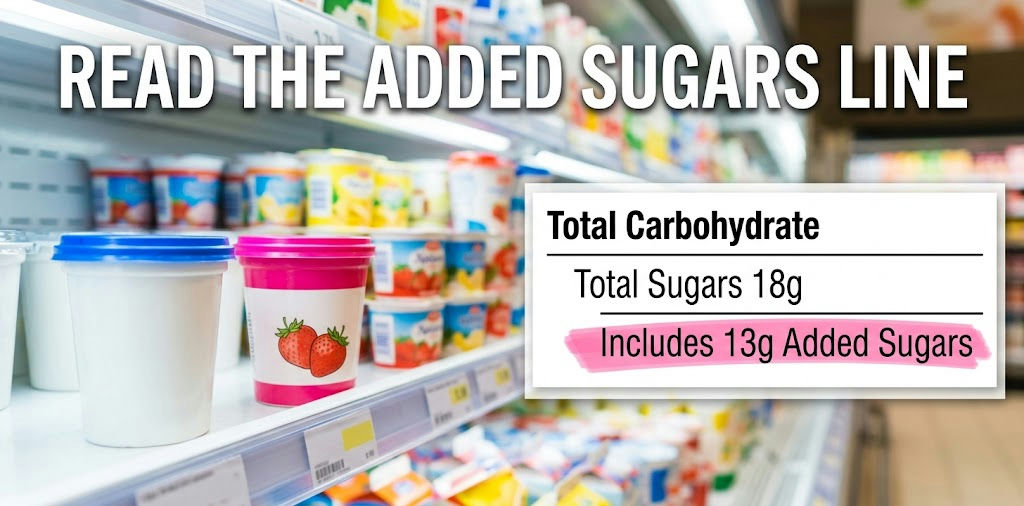
Start with the serving size, since every number below it is based on one serving, not the package. Then find “Total Sugars” and, indented just below it, “Includes Added Sugars.” The U.S. Food and Drug Administration added this line so shoppers can tell natural sugars apart from those mixed in during processing [9]. For example, a plain yogurt might list 6 grams of Total Sugars and 0 grams added, because that sugar comes from milk. A flavored yogurt might list 18 grams of Total Sugars with 13 grams added. Finally, scan the ingredients for sugar's many names, like words ending in “-ose,” syrups, honey, and agave.
Breaking up with sugar doesn't take superhuman willpower. It takes knowing where sugar hides, cutting back at a pace you can live with, eating balanced meals, and protecting your sleep. Start with your drinks, since that one change tackles the biggest source for most people. To keep the momentum going, grab our free 10-habit insulin resistance checklist for simple daily habits that support healthier blood sugar.
References
[1] American Heart Association (n.d.). How Much Sugar Is Too Much? Heart.org.
[2] Yang et al. (2014). Added Sugar Intake and Cardiovascular Diseases Mortality Among US Adults. JAMA Internal Medicine.
[3] Qin et al. (2025). About Sugar Addiction. Brain and Behavior.
[4] Jacques et al. (2019). The Impact of Sugar Consumption on Stress Driven, Emotional and Addictive Behaviors. Neuroscience & Biobehavioral Reviews.
[5] Drewnowski & Rehm (2014). Consumption of Added Sugars Among US Children and Adults by Food Purchase Location and Food Source. The American Journal of Clinical Nutrition.
[6] Mah et al. (2024). Change in Liking Following Reduction in Sweetness Level of Carbonated Beverages: A Randomized Controlled Parallel Trial. Scientific Reports.
[7] Tajiri et al. (2020). Acute Sleep Curtailment Increases Sweet Taste Preference, Appetite and Food Intake in Healthy Young Adults: A Randomized Crossover Trial. Behavioral Sciences.
[8] van Egmond et al. (2023). Effects of Acute Sleep Loss on Leptin, Ghrelin, and Adiponectin in Adults With Healthy Weight and Obesity: A Laboratory Study. Obesity.
[9] U.S. Food and Drug Administration (n.d.). Added Sugars on the Nutrition Facts Label. FDA.gov.