


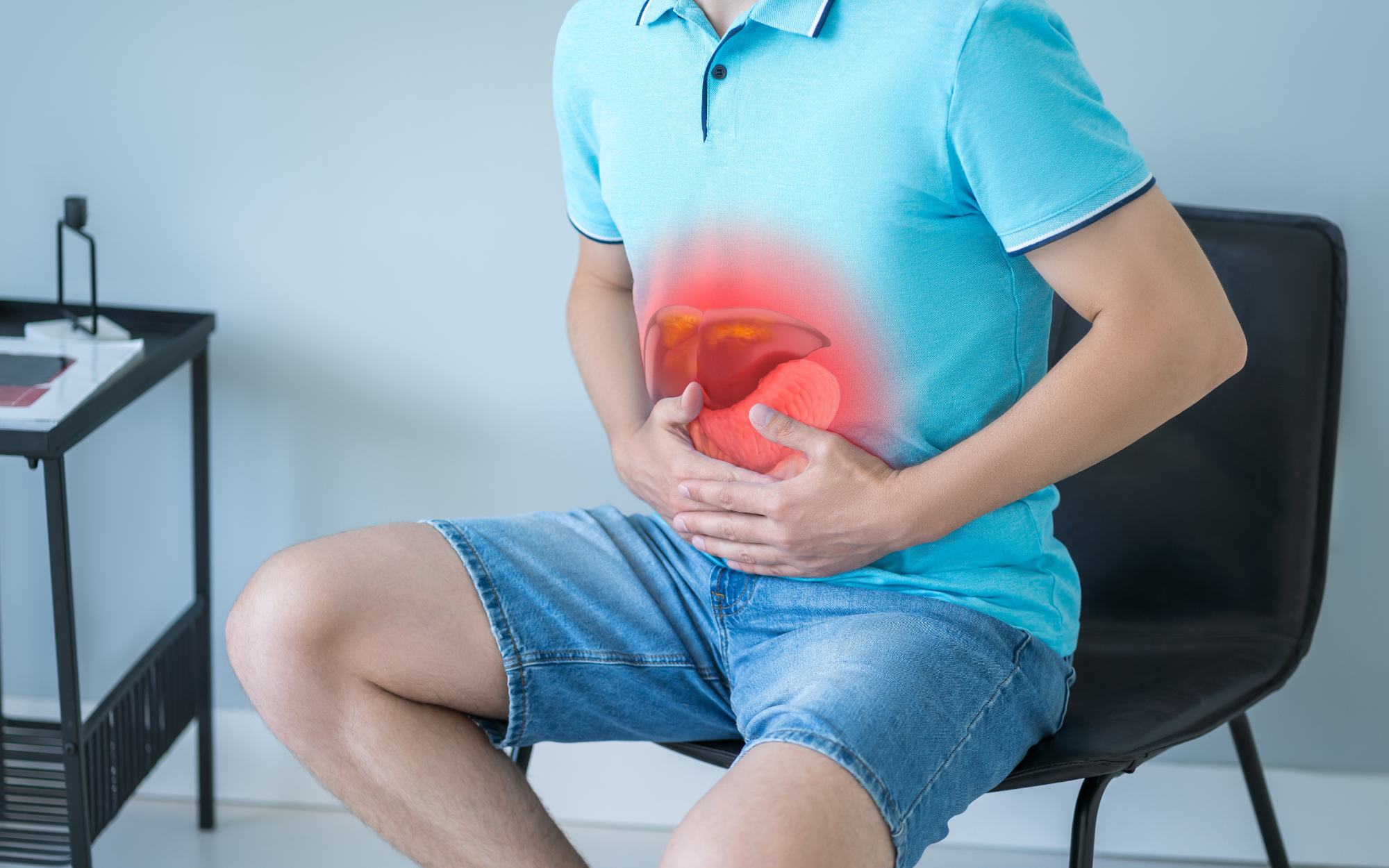
If your fasting blood sugar keeps climbing-even when you cut carbs, skip dinner, fast, or take your medications exactly as prescribed-your liver may be the reason. Your liver plays a massive role in fasting glucose and A1c. When it’s overloaded with fat, it becomes insulin-resistant and releases sugar into your bloodstream all night long.
The hopeful part? Liver fat is highly reversible with the right strategies. And when liver fat decreases, people often see major improvements in fasting glucose, A1c, triglycerides, and inflammation.[1]
Let’s walk through why liver fat raises blood sugar, and the three science-backed ways to clear it.
Why Your Liver Sabotages Your Blood Sugar
Between 4-8 a.m., your body releases hormones like cortisol and adrenaline. These hormones signal your liver to release glucose to give you morning energy. Normally, insulin quickly stops this release. But when the liver is insulin-resistant due to excess fat, it ignores insulin’s signal. That means:
- Your liver keeps pumping out sugar
- Your fasting glucose rises
- Your A1c climbs
- Your body stores more fat in the abdomen
- Your triglycerides increase
This is known as hepatic insulin resistance, and it’s one of the strongest predictors of elevated fasting glucose and progression to type 2 diabetes.
At the same time, if your muscles are also insulin-resistant, they can’t absorb the sugar your liver releases. This “double resistance” is why many people see higher blood sugar even when they eat fewer carbs.
The fastest way to improve blood sugar is to reduce liver fat, because once the liver becomes more insulin-responsive again, fasting glucose drops quickly.
Strategy #1: The Calorie-Density Reset (Strategic Undereating)
This isn’t a detox, a cleanse, or a gimmick. It’s simply eating foods that are large in volume, high in fiber, low in calories, and deeply nourishing. This creates a natural calorie gap, allowing your liver to burn stored fat rather than accumulate more. Low-calorie-density diets have been shown to:
- Reduce liver fat
- Improve liver enzymes
- Improve insulin sensitivity
- Lower blood sugar and triglycerides
- Support natural weight loss without calorie counting
In fact, Mediterranean-style and plant-forward diets are among the most effective for reversing fatty liver and improving glucose metabolism.[1] Here’s what a Mediterranean-style and plant-forward diet looks like:
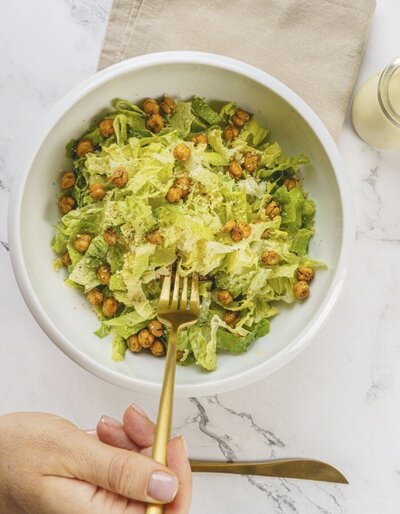
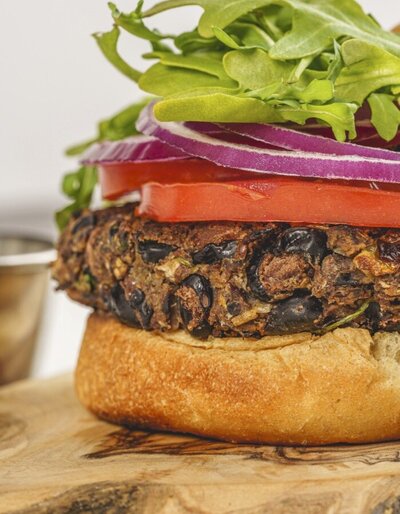
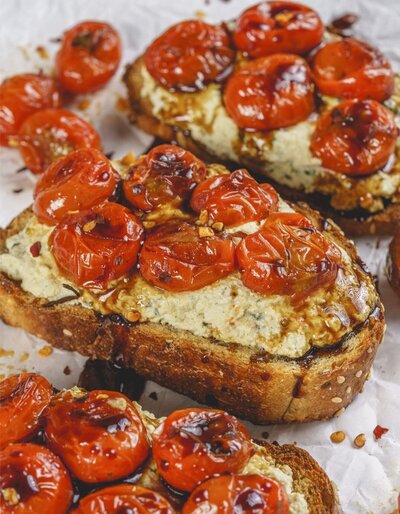
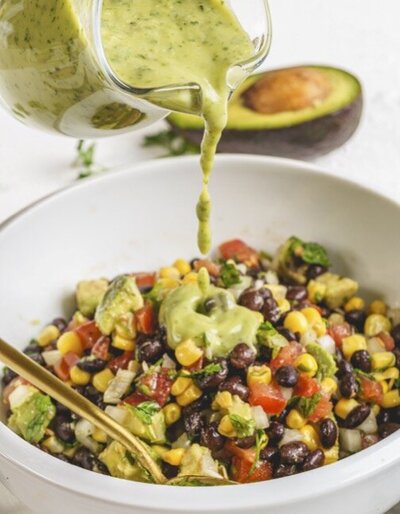
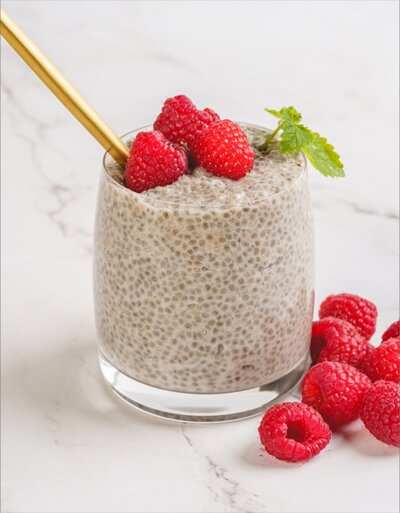
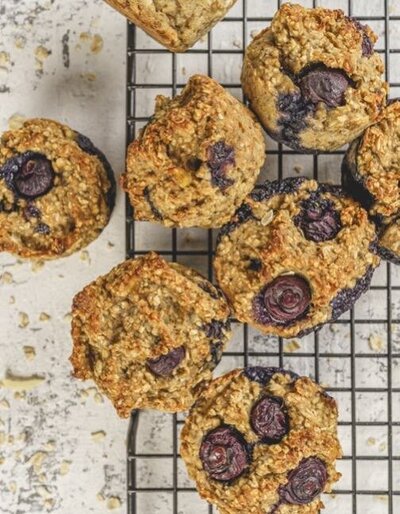
- High-fiber, low-calorie-density foods: Leafy greens, cruciferous veggies, beans, lentils, berries, oats, quinoa, barley, starchy vegetables.
- Whole food carbs (not refined): Intact whole grains, beans, potatoes, squash.
- Limit: Added sugars, white flour, fried foods.
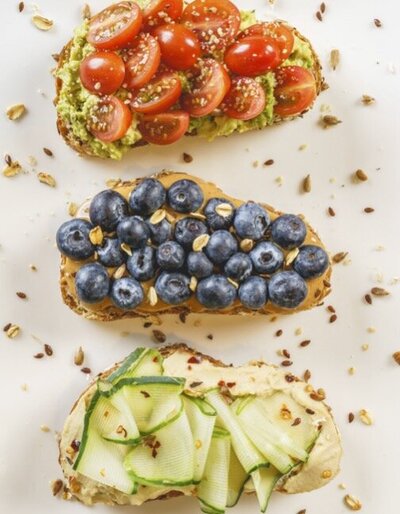
- Moderate fats: Nuts, seeds, avocado, olives-portion-aware.
Multiple clinical trials have shown that increasing fiber intake improves A1c, fasting glucose, liver fat, and markers of insulin resistance.[1] If you need guidance, grab our free high-fiber meal plan here.
Strategy #2: The ‘Sugar Sponge’ Workout
When your muscles move, they absorb glucose without needing insulin through a pathway called contraction-mediated glucose uptake. That makes exercise one of the fastest ways to lower both liver fat and blood sugar. Research shows [2]:
- Aerobic exercise reduces liver fat even without weight loss
- Resistance training reduces liver fat and improves insulin sensitivity
- Post-meal walking can reduce blood sugar spikes by up to 30%
Your Simple Weekly Plan
- Aerobic Exercise: 4-5× per week: brisk walking, cycling, and incline treadmill for 20-30 minutes. Most importantly, try to walk 15-20 minutes after meals. This is the time your body struggles the most to clear glucose.
- Resistance Training: 2-3× per week: use resistance bands or weights for 20-30 minutes. Even seated resistance exercises improve muscle glucose uptake. Get our free resistance band workout here.
What People Notice Within Weeks
- Lower next-morning fasting glucose
- Smaller post-meal spikes
- Reduced waist size (less visceral fat)
- Better sleep and energy
Movement turns your muscles into a 24/7 sugar sponge-and the benefits multiply when combined with high-fiber eating.
Strategy #3: Berberine Supplementation (Clinically Effective Dose: 1,200 mg/day)
Berberine is one of the most extensively researched natural compounds for insulin resistance, fatty liver disease, and type 2 diabetes. In clinical studies, berberine has been shown to [3]:
- Reduce liver fat and improve liver enzymes
- Reduce fasting glucose and A1c
- Improve insulin sensitivity through AMPK activation
- Lower triglycerides and cholesterol
Many trials use 1,200 mg/day, split into 600 mg twice daily with meals.
How to Take It
- 600 mg with breakfast
- 600 mg with dinner
Always consult your healthcare provider before starting if you take medications.
If you want to try it, we recommend JADE SUPPLEMENTS PURE BERBERINE, which contains the clinically studied 600 mg per capsule. Learn more here.
Bringing It All Together
Cleaning up liver fat is one of the most powerful strategies for improving fasting glucose, A1c, and metabolic health. And it doesn’t take months to see changes; many people feel and see improvements within weeks.
Your 3-Step Liver Reset Plan
- Calorie Density Reset: High-fiber whole foods to reduce liver fat naturally. Free meal plan.
- Sugar Sponge Workout: Post-meal walks + resistance training 2-3× per week. Free exercise plan.
- Berberine Supplementation: 600 mg twice daily with meals (1,200 mg/day).
None of this is magic, but it feels like it when fasting glucose drops 20, 30, or even 50 points, A1c begins to fall, and you finally feel your energy coming back.
You absolutely can turn this around. A healthier liver means a healthier metabolism, clearer mornings, and better long-term control.
References
[1] Brunner et al. (2019). Nonalcoholic Fatty Liver Disease and Obesity Treatment. Current Obesity Reports.
[2] Barrón-Cabrera et al. (2023). Physical Activity Protocols in Non-Alcoholic Fatty Liver Disease Management: A Systematic Review of Randomized Clinical Trials and Animal Models. Healthcare (Basel).
[3] Nie et al. (2024). The clinical efficacy and safety of berberine in the treatment of non-alcoholic fatty liver disease: a meta-analysis and systematic review. Journal of Translational Medicine.

Jose Tejero is an exercise physiologist and two-time Ironman Triathlete. He holds a degree in Exercise Science from the University of Maryland and has over six years of experience working in the field of type 2 diabetes. Jose is currently working towards becoming a Clinical Exercise Physiologist and a Certified Diabetes Care and Education Specialist, combining his two passions: exercise and diabetes care.





Leave a Comment