


If you’ve been cutting carbs, skipping meals, or doing everything “right” and your blood sugar still won’t budge, you’re not alone. For many people with prediabetes or type 2 diabetes, the missing piece isn’t willpower or stricter rules. It’s fiber—specifically, the right type and the right amount. When you look closely at the research, fiber stops being a digestive afterthought and becomes one of the most powerful metabolic tools we have for improving insulin sensitivity and lowering blood sugar.
This article will walk you through the exact fiber targets used in real randomized controlled trials that lowered A1c, fasting glucose, post-meal spikes, cholesterol, and triglycerides. You’ll also see why not all fiber works the same, why dose matters more than most people realize, and how to build simple meals that hit the therapeutic range without feeling extreme or restrictive.
Why Fiber Is a Metabolic Intervention, Not Just “Good for Digestion”
Most people think of fiber as something that helps keep digestion regular. That’s true, but it’s only scratching the surface. When researchers analyze fiber through the lens of metabolic health, the results are striking.
A large systematic review and meta-analysis published in PLOS Medicine examined 42 randomized controlled trials across prediabetes, type 2 diabetes, metabolic syndrome, obesity, and cardiovascular disease [1]. These weren’t short-term experiments or supplement studies; they were decades of nutrition science using real food.
When participants increased their total fiber intake to around 35 grams per day, several consistent improvements emerged. Fasting glucose dropped, A1c improved, and insulin resistance—measured by HOMA-IR—declined. Cholesterol and triglyceride levels improved, inflammatory markers decreased, and, perhaps most compellingly, the risk of dying from any cause was significantly lower across studies [1].
All of this from a nutrient most people barely pay attention to, simply by consuming it at the right dose.
The Soluble Fiber Threshold That Changes Blood Sugar Physiology
Total fiber matters, but soluble fiber deserves special attention. Soluble fibers are the gel-forming fibers found in foods like oats, beans, lentils, chia seeds, flax, and many fruits and vegetables. These fibers interact directly with digestion and glucose absorption.
A meta-analysis of 22 randomized controlled trials focused specifically on soluble fiber intake found that consuming just 7 to 12 grams of soluble fiber per day led to significant reductions in fasting glucose, fasting insulin, and HOMA-IR [2]. What makes these findings so important is that the improvements were not driven by weight loss. Fiber itself altered core physiological pathways.
Soluble fiber slows digestion, physically blunts glucose absorption in the gut, and influences gut hormones that regulate blood sugar. It also feeds beneficial gut bacteria, which produce short-chain fatty acids that improve insulin sensitivity and reduce liver glucose output. This is direct metabolic action, not a side effect of eating fewer calories.
Psyllium and the Evidence for Therapeutic Fiber Dosing
There is also strong evidence for specific fiber types when food intake alone falls short. A 2024 meta-analysis of 19 randomized controlled trials examined psyllium, a highly viscous soluble fiber [3]. The results showed meaningful reductions in fasting blood sugar, A1c, and markers of insulin resistance.
What stood out most was that these improvements occurred even without broader diet changes. This tells us that fiber does not lower blood sugar simply because people eat less. It works by changing how glucose moves through the digestive system, how quickly it enters the bloodstream, and how the liver and microbiome respond to that glucose load.
Soluble fiber thickens the contents of the small intestine, slows gastric emptying, and allows gut bacteria to ferment fiber into compounds that improve insulin sensitivity. It also increases hormones like GLP-1 and PYY, which help stabilize blood sugar and appetite. This is why fiber becomes genuinely therapeutic at the right dose.
The Fiber Range Where Results Consistently Happen
When you zoom out across decades of data, a clear pattern emerges. Metabolic improvements consistently occur when people reach approximately 30-45 grams of total fiber per day, with at least 7-12 grams from soluble fiber [1–3]. At this level, glucose absorption slows, insulin sensitivity improves, liver fat declines, cholesterol improves, and inflammation decreases.
These internal changes translate into real-world results. People see lower fasting blood sugar, smaller post-meal spikes, better energy, fewer cravings, improved satiety, and meaningful reductions in A1c over time. The problem is that most adults consume only 12 to 15 grams of fiber per day—less than half of what clinical trials show is effective.
What 35–45 Grams of Fiber Looks Like in Real Life
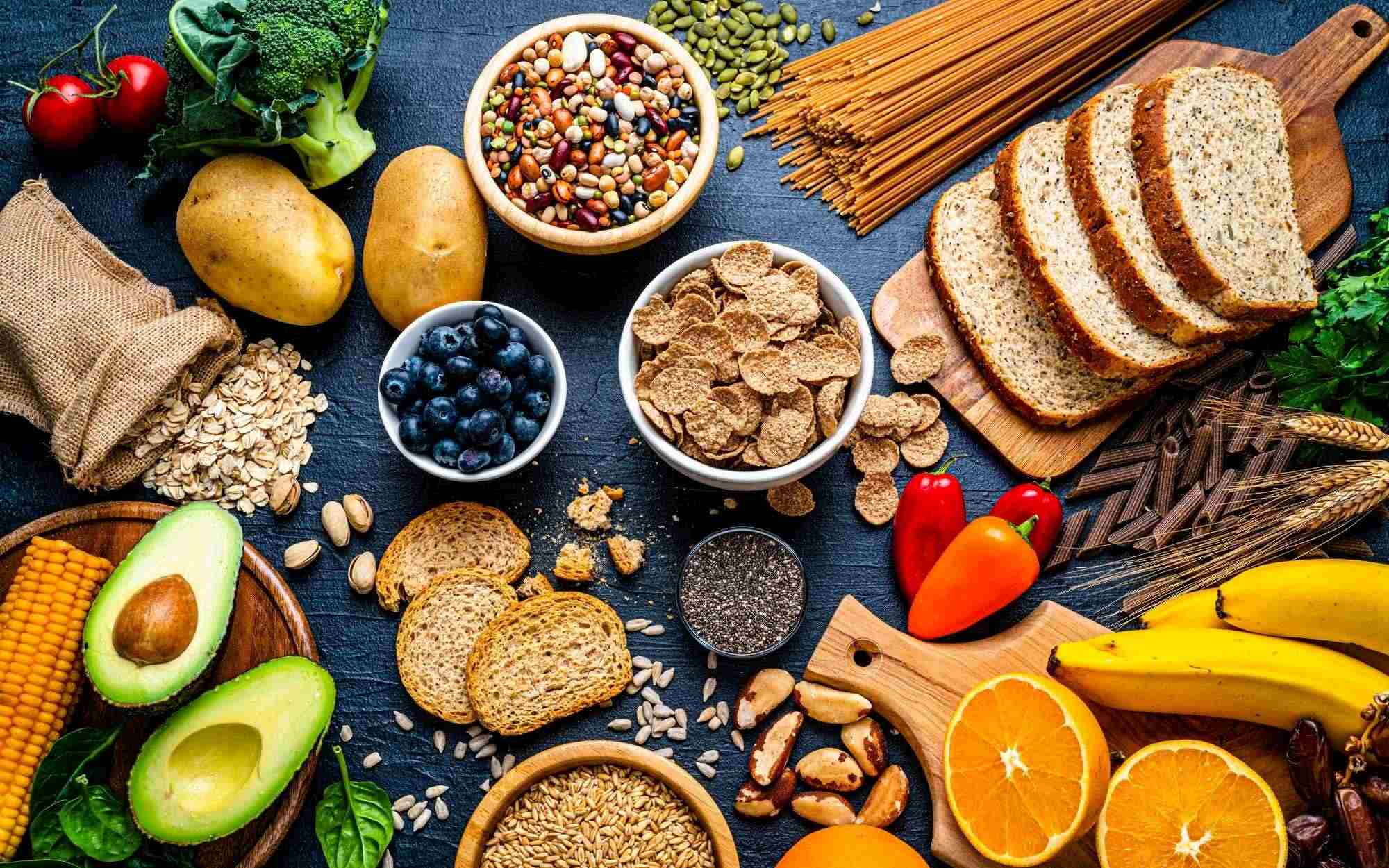
SHitting the therapeutic range does not require extreme eating. Breakfast is often the easiest place to front-load fiber. A bowl built around oats, chia seeds, ground flax, and berries can provide 14 to 16 grams on its own. Sprouted grain toast with avocado and legumes, or yogurt paired with seeds and fruit, can do the same.
Lunch is where soluble fiber really shines. Meals centered around lentils, chickpeas, or black beans paired with vegetables and greens routinely deliver 12 to 18 grams of fiber without excessive calories. Dinner can add another 10 to 15 grams through bean-based dishes, vegetable-rich stir-fries, or salads topped with legumes and seeds.
When you add a simple snack, such as fruit with nuts, it becomes surprisingly easy to reach 40 grams or more across the day. This places you squarely in the range used in clinical trials—without needing perfection or deprivation.
Why Fiber Works: Four Key Mechanisms
To summarize the incredible benefits of fiber, (1) fiber slows glucose absorption by forming a gel that flattens the blood sugar curve after meals. (2) It feeds the gut microbiome, leading to the production of short-chain fatty acids that improve insulin sensitivity and reduce inflammation. (3) High-fiber diets are associated with reductions in liver fat, which directly lowers fasting glucose output. (4) Soluble fiber also binds bile acids, forcing the liver to use cholesterol to make more, which improves LDL and triglycerides.
Together, these mechanisms explain why fiber affects far more than digestion. It influences hormones, the liver, the microbiome, and long-term metabolic risk.
Bringing It All Together
You now know the fiber doses that matter, the types that drive blood sugar improvements, and how to build meals that consistently reach the therapeutic range. Fiber is not a minor detail. At the right intake, it becomes one of the most reliable, evidence-based tools we have for improving insulin sensitivity and stabilizing blood sugar.
If you want help putting this into practice, you can start with our free fiber-focused meal plans designed specifically for blood sugar stability and insulin resistance reversal. These plans reflect the exact ranges used in the research and are built for real life, not perfection.
References
[1] Reynolds A, et al. Carbohydrate quality and human health: a series of systematic reviews and meta-analyses. PLOS Medicine. 2019.
[2] Xie Y, et al. Soluble fiber and glycemic control: systematic review and meta-analysis of randomized controlled trials. Clinical Nutrition ESPEN. 2021.
[3] Gholami z, et al. Effect of psyllium fiber on glycemic control: systematic review and meta-analysis of randomized controlled trials. Nutrients. 2024.

Diana is a nationally recognized Registered Dietitian and Certified Diabetes Care and Education Specialist (CDCES), and holds a Master’s degree in Nutrition Science and Policy from the Tufts Friedman School of Nutrition. She received her education and dietetics training from Villanova University, Tufts University, and UC San Diego Health. Diana has over 8 years of experience working in the field of type 2 diabetes.













Leave a Comment