When your blood sugar creeps up, your pancreas and liver usually get the blame. But research points to another player, and it lives in your gut.
As a registered dietitian who works with people managing prediabetes and type 2 diabetes, I find this one of the most exciting areas of blood sugar research. In this post, I’ll walk you through how gut bacteria tie into insulin resistance, what happened when people took probiotics in clinical trials, and why some products help while others fall flat. You’ll also learn a simple routine that gives a probiotic its best shot at working.
The Overlooked Link Between Your Gut and Insulin Resistance
Your gut is home to trillions of bacteria, a community scientists call the gut microbiome. In 2012, one of the largest studies of its kind compared the gut bacteria of 345 people with and without type 2 diabetes [1]. People with diabetes had fewer bacteria that make butyrate, a compound that keeps your gut lining strong and calm [1]. Later reviews found the same pattern, with fewer helpful bacteria like Bifidobacterium and Akkermansia in people with type 2 diabetes [2].
Here’s why that matters for your blood sugar. When less helpful bacteria take over, your gut lining can get a little leaky. Tiny pieces of bacteria slip into your blood, and your body responds with low-grade inflammation [2]. Over time, that steady inflammation makes your cells less responsive to insulin, the hormone that moves sugar out of your blood. To see how much of that damage you can undo, read 7 Simple Habits That Help Heal High Blood Sugar Damage.
What 46 Clinical Trials Revealed About Probiotics
If unhelpful bacteria can push blood sugar up, can helpful ones bring it down? A 2022 review in Pharmacological Research pooled 46 trials with more than 3,000 people who had prediabetes or type 2 diabetes [3]. People taking probiotics saw their fasting blood sugar drop by about 11 mg/dL on average. Their A1c fell by about 0.35%, and insulin resistance improved too [3]. That may not sound like much, but it’s a real shift for a supplement, especially on top of good food, movement, and medication. To see where your own A1c should sit, check out Normal vs. Optimal: The 4 Blood Sugar Numbers to Know.
Still, not every probiotic delivers. In a 16-week trial from China, 213 adults with type 2 diabetes drank either a probiotic drink or a placebo four times a day [4]. Both groups improved a little, but the probiotic group didn’t pull ahead in any meaningful way [4]. So what separates the products that work from the ones that don’t?
Why Many Probiotics Never Reach Your Gut Alive
When researchers compare trials that worked with ones that didn’t, three things keep coming up: the type of bacteria, how many kinds are in the mix, and the dose [5]. Survival matters just as much. Your stomach is full of acid that destroys many bacteria before they reach your intestines, where they do their job. A 2022 analysis of 33 trial groups found that higher doses and capsules did better, and the authors pointed to survival as a likely reason [5]. In other words, the number on the label only counts if those bacteria survive the trip.
The Probiotic Details That Made the Biggest Difference
The trials that worked have a few things in common. In a 12-week study in Thailand, 50 adults with type 2 diabetes took a strain called Lactobacillus paracasei HII01 or a placebo [6]. The probiotic lowered fasting blood sugar and cut several signs of inflammation, including CRP. It also boosted helpful gut bacteria [6].

In a six-month trial from Greece, 91 adults with type 2 diabetes took a four-strain probiotic or a placebo once a day [7]. A1c dropped by about 0.73% in the probiotic group, compared with about 0.14% in the placebo group. Fasting blood sugar and total cholesterol improved as well [7]. The benefit came from shifts in which bacteria were most active, not from adding more variety [7]. Pooled data back this up, with multi-strain, higher-dose products beating single-strain, low-dose ones [5].
How to Give Your Probiotic the Best Shot at Working
Probiotics don’t replace your medication, your diet, or regular movement. The major reviews agree they work best as an add-on [3, 5]. If you want that extra support, look for a multi-strain formula with a strong dose and a coating that protects the bacteria from stomach acid. That’s why I recommend JADE Probiotics, part of the supplement line Jose and I created. It’s a multi-strain formula with 60 billion CFU per serving. It also uses MAKTREK Bi-Pass Technology, a delivery system built to shield the bacteria from stomach acid so more of them reach your intestines alive.
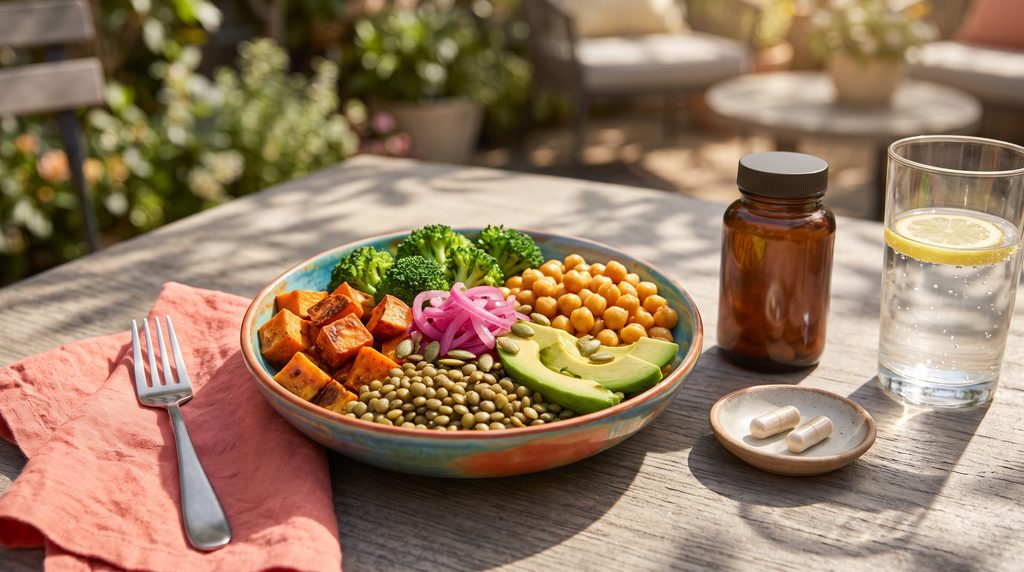
Take two capsules once a day with a meal, since food helps buffer stomach acid, and give it time. Mild bloating or changes in bathroom habits are common in the first couple of weeks as your gut adjusts. Many people feel more regular within three to four weeks, while blood sugar benefits build over months. Fiber feeds the good bacteria you’re trying to grow, so try the ideas in 5 Foods That Reversed Type 2 Diabetes in Trials.
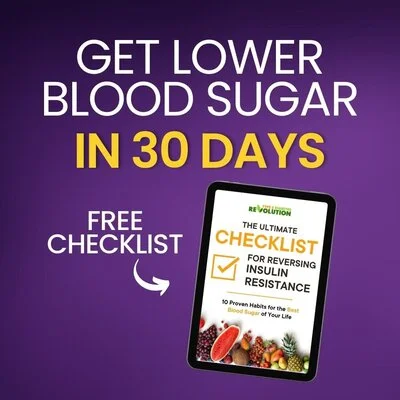
Your blood sugar story doesn’t start and end with your pancreas. Changes in your gut bacteria can fuel the inflammation behind insulin resistance. The right probiotic, taken every day, has been shown to nudge fasting blood sugar, A1c, and insulin resistance in a better direction [3]. Choose a multi-strain formula that survives digestion, and pair it with fiber-rich meals, good sleep, and regular movement. Think of it as one helpful piece of a bigger plan. To build the rest of that plan, grab our free 10-habit insulin resistance checklist, full of simple daily habits that also help feed a healthier gut.
References
[1] Qin et al. (2012). A Metagenome-Wide Association Study of Gut Microbiota in Type 2 Diabetes. Nature.
[2] Gurung et al. (2020). Role of Gut Microbiota in Type 2 Diabetes Pathophysiology. EBioMedicine.
[3] Naseri et al. (2022). Probiotics and Synbiotics Supplementation Improve Glycemic Control Parameters in Subjects with Prediabetes and Type 2 Diabetes Mellitus: A GRADE-Assessed Systematic Review, Meta-Analysis, and Meta-Regression of Randomized Clinical Trials. Pharmacological Research.
[4] Peng et al. (2024). Effect of Probiotics on Glycemic Control and Lipid Profiles in Patients with Type 2 Diabetes Mellitus: A Randomized, Double Blind, Controlled Trial. Frontiers in Endocrinology.
[5] Zhang et al. (2022). Meta-Analysis of Randomized Controlled Trials of the Effects of Probiotics on Type 2 Diabetes in Adults. Clinical Nutrition.
[6] Toejing et al. (2021). Influence of Lactobacillus paracasei HII01 Supplementation on Glycemia and Inflammatory Biomarkers in Type 2 Diabetes: A Randomized Clinical Trial. Foods.
[7] Zikou et al. (2023). The Effect of Probiotic Supplements on Metabolic Parameters of People with Type 2 Diabetes in Greece: A Randomized, Double-Blind, Placebo-Controlled Study. Nutrients.