
You have been taking metformin for a while and are wondering what would happen if you stopped. Maybe the side effects are wearing you down. Maybe someone told you they quit cold turkey and felt great. Or maybe you are just tired of being on medication, and you want a way out. These are completely valid feelings, and you deserve a clear, honest answer grounded in real science, not just reassurance or fear tactics.
Here is what most people do not expect: stopping metformin without a solid plan in place can set off a chain of events that affects far more than your blood sugar. Understanding exactly what metformin is doing for your body, and what happens when that support is removed, is the first step toward making a truly informed decision alongside your doctor.
What Metformin Is Actually Doing Inside Your Body
Before we talk about what happens when you stop, it helps to understand what metformin is doing behind the scenes, because this makes everything else click into place. Metformin is one of the most widely prescribed diabetes medications in the world, and it works through several important mechanisms at once.
First, it tells your liver to slow down. When you have type 2 diabetes or insulin resistance, your liver is constantly releasing glucose into your bloodstream, even when your body does not need it. Metformin puts the brakes on that process. Second, it makes your cells more responsive to insulin. Insulin resistance is the root cause of type 2 diabetes, and metformin helps amplify the signal insulin sends to your cells so they respond. Third, it activates a metabolic pathway called AMPK, which functions like your body's energy regulator. When AMPK is turned on, your body burns more energy, stores less fat, and moves glucose out of your bloodstream more efficiently. All of this heavy lifting happens quietly, every day, while you go about your life.
The Surprising Ways Your Body Responds When You Quit
Here is where things get important. When people stop metformin without replacing it with something equally powerful, whether that is a different medication or real, consistent lifestyle changes, research consistently shows predictable and sometimes serious consequences.
Blood sugar tends to rise, often significantly. Stopping metformin in people with type 2 diabetes is associated with increases in HbA1c, the three-month average blood sugar that gives doctors the clearest picture of glucose control [1, 2, 3]. Getting those numbers back under control typically means adding other medications, and those alternatives often come with a higher risk of low blood sugar episodes than metformin did [1, 2]. Weight gain is another common outcome. Studies across multiple conditions, including diabetes and PCOS, have shown that patients frequently gain weight after metformin is stopped [1, 4]. And the consequences can extend even further than most people realize. In a large Scottish study following people with advanced kidney disease, those who discontinued metformin had higher rates of death, end-stage kidney disease, and major cardiovascular events compared to those who continued it [5, 6]. Separately, a study published in JAMA Network Open found that older adults who stopped metformin early had a higher incidence of dementia compared to those who stayed on it [7].
This is not meant to frighten you into staying on a medication without question. You deserve the full picture so you can have a real, informed conversation with your doctor. No changes to your medication should ever be made alone or without a clear plan.
What the Research Says If You Have Prediabetes
If you are in the prediabetes camp, this next section is especially relevant to you because the stakes are higher and the opportunity is greater than most people realize.
Many people with prediabetes are prescribed metformin as a preventive measure, and they often wonder whether they truly need it if they are not yet fully diabetic. The Diabetes Prevention Program, one of the largest and most important diabetes studies ever conducted, examined this question directly. Researchers found that roughly one quarter of metformin's diabetes-prevention benefit disappeared within just one to two weeks of stopping it [8]. That protection fades fast. But here is the genuinely remarkable part of that same study. When researchers compared two groups, one taking metformin and one making intensive lifestyle changes including improved diet, more fiber, reduced saturated fat, and regular physical activity, the lifestyle group reduced their risk of developing type 2 diabetes by 58% over three years. The metformin group reduced their risk by 31% [9]. Lifestyle changes were nearly twice as effective as the medication.
Even more interesting, the lifestyle intervention was effective across ages, body weights, and backgrounds, whereas metformin tended to work best for younger adults and those with higher body weight [9]. This tells us that metformin is a valuable bridge, but your daily choices are the most powerful tool you have. For people with prediabetes, especially, pulling metformin away before those lifestyle changes are truly established is like removing a safety net at exactly the wrong moment. The real question to ask your doctor is not simply “can I stop?” but rather “have I built a strong enough foundation to not need it?”
The Proven Path to Reducing Your Need for Metformin Over Time
If your long-term goal is to reduce or come off metformin, that is a reasonable and achievable goal for many people. But the only sustainable way to get there is to address the root cause: insulin resistance. Here is what the research and clinical practice consistently show actually moves the needle.
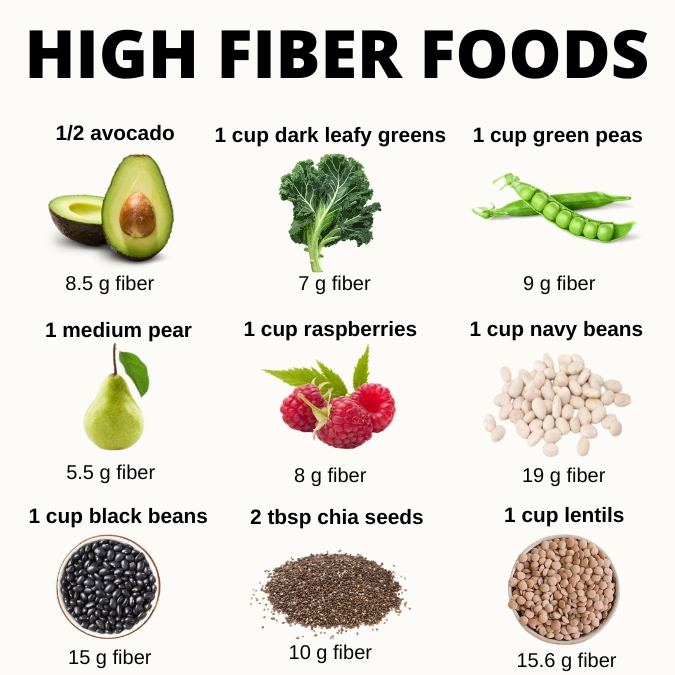
Fiber intake matters more than most people think. A 2024 systematic review of 26 studies showed that higher fiber consumption significantly improved HbA1c, fasting blood sugar, triglycerides, LDL cholesterol, and body weight, with the strongest effects observed at 35-40 grams of fiber daily [1]. Fiber slows glucose absorption, flattens post-meal blood sugar spikes, and feeds the gut microbiome, which in turn produces compounds that keep cells insulin-sensitive. Cutting saturated fat is also surprisingly powerful. Excessive saturated fat from fatty meats, full-fat dairy, and fried foods blocks the signaling pathway between insulin and your cells, worsening insulin resistance.
Movement after meals is another tool that is consistently underused. A 2017 randomized trial found that walking for just 15 minutes after each meal was more effective at lowering post-meal blood sugar than a single 45-minute daily walk [1]. During movement, your muscles can pull glucose out of your blood without needing insulin at all. Building muscle through resistance training two to three times per week expands this capacity even further, giving your body more places to store and clear glucose around the clock. Finally, protecting your sleep and managing stress are not optional extras. Just one night of poor sleep, around four hours instead of eight, can reduce insulin sensitivity by up to 25% the following day, while chronic stress keeps cortisol elevated and tells your liver to keep releasing glucose [1].
When these habits are built consistently over time, not just for two weeks, your cells begin responding to insulin again, your glucose levels stabilize, and your labs start reflecting the change. That is when a conversation about reducing your medication dose becomes a real, medically appropriate discussion to have with your doctor.
A Lesser-Known Supplement That May Support Your Progress
One tool that many people in the diabetes and prediabetes community have not heard of is berberine, a natural plant compound that has been studied extensively for its effects on blood sugar. To be clear: berberine is not a replacement for metformin, and you should never stop taking your prescribed medication without your doctor's guidance. What berberine may do is support your progress alongside your current treatment, and the mechanism behind it is genuinely interesting.
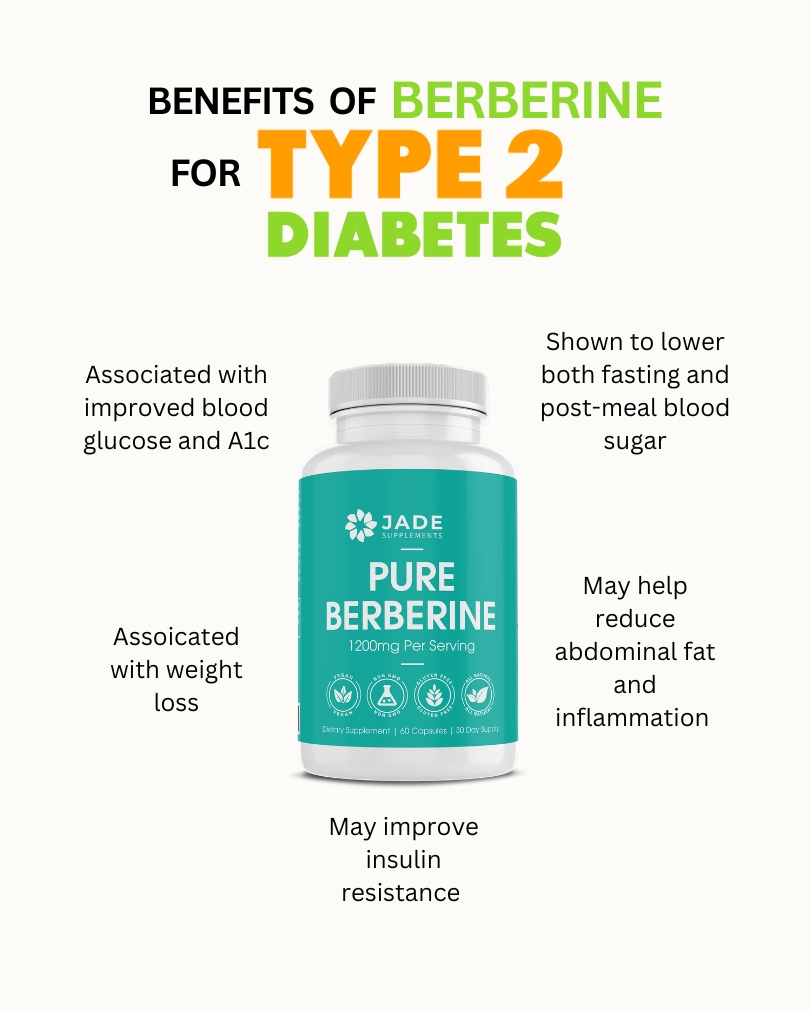
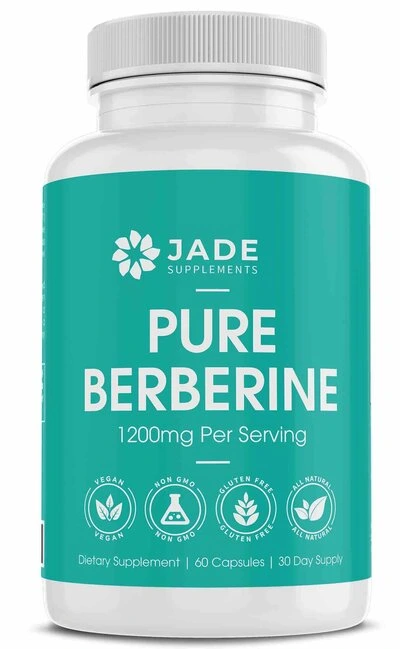
Berberine activates the same AMPK pathway as metformin, which is why researchers have studied them side by side. One study found that berberine had an effect equivalent to metformin in regulating glucose metabolism, including HbA1c, fasting blood glucose, and post-meal insulin levels, and outperformed metformin in lowering cholesterol and triglycerides [1]. A 2024 meta-analysis of 50 randomized controlled trials involving 4,150 participants found that berberine significantly reduced fasting blood glucose, post-meal blood sugar, LDL cholesterol, total cholesterol, and triglycerides [1]. Studies also suggest that berberine and metformin may work synergistically together, though combining them can lower blood sugar further than expected, which is why your doctor needs to know before you add anything to your routine. If your physician approves and you are looking for a quality option, JADE Supplements Pure Berberine contains 600 mg of berberine HCL per capsule, which is the most studied form, and is third-party tested for purity and potency. The standard studied dose is 1,200 mg daily: one capsule in the morning and one in the evening, both with food.
Putting It All Together
Stopping metformin without a plan is not a strategy. The research is clear that most of the medication's benefits fade quickly once it is withdrawn, and the risks, from rising blood sugar and weight gain to more serious cardiovascular and cognitive concerns, can climb [1, 2, 5, 6, 7]. But staying on metformin forever because you feel like you have no other option does not have to be your story either.
The real path forward is continuing your medication as prescribed while building the lifestyle foundation that actually addresses insulin resistance at its source. Prioritize fiber-rich whole foods, reduce saturated fat, move your body especially after meals, build muscle, protect your sleep, and manage your stress. Consider evidence-based tools like berberine only after your doctor gives the green light. And then let your labs tell the story. When your numbers improve consistently over months, that is when the conversation about adjusting your dose becomes a medically sound one to have with your healthcare provider. Insulin resistance is reversible, and you have far more influence over this condition than you may have been told.
References
[1] Bradley, J., Edwards, K., Gunter, J., Weideman, R., & Kelly, K. (2017). Provider Decisions and Patient Outcomes After Premature Metformin Discontinuation. Diabetes Spectrum, 30, 17–22.
[2] Khunti, K., Gomes, M., Kosiborod, M., et al. (2020). Metformin discontinuation in patients beginning second-line glucose-lowering therapy: results from the global observational DISCOVER study programme. BMJ Open, 10.
[3] Panossian, Z., Drury, P., & Cundy, T. (2011). Reversible severe deterioration of glycaemic control after withdrawal of metformin treatment. Diabetologia, 55, 267–269.
[4] Kravos, N., Janež, A., Goričar, K., Dolžan, V., & Jensterle, M. (2021). Effects of metformin withdrawal after long and short term treatment in PCOS: observational longitudinal study. Diabetology & Metabolic Syndrome, 13.
[5] Yang, A., Shi, M., Wu, H., et al. (2024). Clinical outcomes following discontinuation of metformin in patients with type 2 diabetes and advanced chronic kidney disease in Hong Kong. eClinicalMedicine, 71.
[6] Lambourg, E., Fu, E., McGurnaghan, S., et al. (2024). Stopping Versus Continuing Metformin in Patients With Advanced CKD: A Nationwide Scottish Target Trial Emulation Study. American Journal of Kidney Diseases, 85, 196–204.
[7] Zimmerman, S., Ferguson, E., Choudhary, V., et al. (2023). Metformin Cessation and Dementia Incidence. JAMA Network Open, 6.
[8] Molitch, M. (2003). Effects of withdrawal from metformin on the development of diabetes in the diabetes prevention program. Diabetes Care, 26(4), 977–980.
[9] Knowler, W. C., Barrett-Connor, E., Fowler, S. E., et al. (2002). Reduction in the incidence of type 2 diabetes with lifestyle intervention or metformin. New England Journal of Medicine, 346(6), 393–403.

Diana is a nationally recognized Registered Dietitian and Certified Diabetes Care and Education Specialist (CDCES), and holds a Master’s degree in Nutrition Science and Policy from the Tufts Friedman School of Nutrition. She received her education and dietetics training from Villanova University, Tufts University, and UC San Diego Health. Diana has over 8 years of experience working in the field of type 2 diabetes.




2 Responses
Hi, My name is Tanya. I’ve been reading your emails and appreciate all this good info! I became a diabetic type 2 last year. After a few months of diet improvement, my A1C was 8.0 but I defended myself here: it was right after the holidays! But my doctor insisted on Metformin, so I started it. I’m currently taking 500mg per day. Anyway, after Christmas I really began eating better. I started watching videos of Dr. William Li on YouTube, and was very excited about the “food for medicine “ he is teaching. I’ve been following his recommendations since. This is when I also found you both on YouTube, and got more hopeful that I could reverse this disease! So I was reading about Berberine, and had received it last week. Just started taking it today. I’m watching my fasting blood sugars, they are ranging 90’s to 100’s. This morning was 105. I just had labs done and my A1C was 6.1! I was wanting to stop the Metformin when it is safe to, so I’m going to wait til my next A1C in about 3 months. Very happy about my good A1C, so I started my Berberine. (i had already purchased this elsewhere when I read your ad for Berberine) So mine will be gone in a month, so I think I will order yours soon. If you are familiar with Andrew Lessman, ProCaps Lab, he is the manufacturer of the Berberine I’m on now. He is very high-quality, he does include a few ingredients to help with stomach sensitivity) So I just wanted to let you know where I’m at, you and Dr. Li are very similar as far as foods to eat. But he does highly encourage 2-3 Tbsp of extra virgin olive oil. What are your thoughts on that? You do teach lower saturated fats, But I know EVOO is an unsaturated fat. Dairy is saturated , but I do love cheese. Is that ok in small amounts? Sorry this was so long. Thank you for your emails. Any advice would be appreciated.
Hi Tanya, thanks for reaching out! What a wonderful update, an A1C drop from 8.0 to 6.1 is fantastic, and it really shows how much your hard work with diet changes has paid off. You should be proud of that progress.Your plan to wait until your next A1C before considering stopping Metformin is a smart, safe approach, and that’s really a conversation to have with your doctor when the time comes.
On the olive oil and cheese question, you’re right that EVOO is a healthy unsaturated fat, and it fits well within the kind of balanced, whole foods approach we teach. It’s a great source of anti-inflammatory compounds, however it does contain a lot of calories so if weight is something you’re watching, EVOO is something to be mindful of since 3 tbsp is about 360 calories. As for cheese, small amounts are absolutely fine. Our philosophy isn’t about cutting out saturated fat entirely, it’s about balance, so enjoying cheese here and there while keeping your overall diet focused on lean proteins, whole grains, fruits, vegetables, and healthy fats like EVOO is a totally sustainable way to eat.
It’s also great to hear you’re finding value in Dr. Li’s approach alongside ours, food really is powerful medicine, and it sounds like it’s working well for you. Whenever you’re ready to switch over to JADE Pure Berberine, just let us know if you have any questions about dosing or transitioning, we’re happy to help.