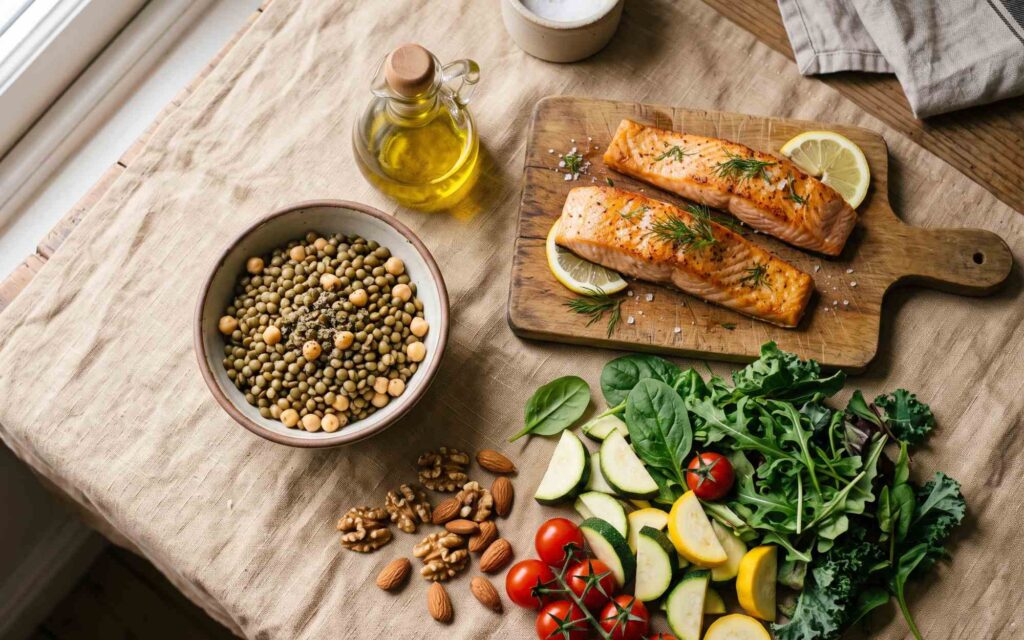
Most diabetes advice focuses on what to remove. Cut the sugar. Cut the carbs. Cut the processed snacks. But a growing body of clinical research has tested a different approach, one built on addition instead of restriction. Researchers gave people with type 2 diabetes and prediabetes specific foods to eat more of, tracked their blood sugar for months, and found changes strong enough that some studies used a word doctors rarely say out loud when it comes to this condition: remission. The dietary pattern behind these results isn't exotic or expensive. It's the Mediterranean diet, and the foods driving the benefit are sitting in most grocery stores right now. Here is what the research actually found, and how you can build these five food groups into your routine without a spreadsheet or a scale.
The Research Behind the Word “Remission”
Two major reviews back this up. A 2018 network meta-analysis published in the European Journal of Epidemiology comparing dietary approaches for glycemic control looked at several dietary patterns side by side in people already diagnosed with type 2 diabetes, and found that Mediterranean-style eating outperformed the others, lowering A1c by nearly a full percentage point and bringing fasting glucose down more than any other approach tested [1]. A more recent systematic review in Nutrition, Metabolism and Cardiovascular Diseases pooled data from multiple randomized trials and confirmed the same pattern, reporting meaningful drops in A1c, LDL cholesterol, and triglycerides among people following a Mediterranean-style diet compared to control groups [2]. Two independent bodies of research, years apart, arrived at the same conclusion. This way of eating manages blood sugar in a consistent, repeatable way, not an anecdotal one.
The Five Foods Behind the Results
Researchers didn't ask participants to white-knuckle their way through a restricted diet. They asked them to eat more of five specific food groups and let those foods naturally crowd out the ones that were driving glucose up.
Legumes come first. Chickpeas, lentils, black beans, and cannellini beans are the easiest way to hit a meaningful fiber target, and fiber may matter more than almost anything else on this list. A 2024 systematic review in the World Journal of Diabetes analyzing the relationship between dietary fiber and glycemic control examined 26 studies and found that consistently reaching 30 to 35 grams of fiber per day meaningfully improved A1c, fasting glucose, triglycerides, and body weight in people with type 2 diabetes [3]. One cup of cooked lentils alone provides about 15 grams of fiber and 18 grams of plant protein, a combination that slows digestion and helps soften the post-meal glucose spike. If you want an easy way to work legumes into dinner, our harissa cod and cannellini bean stew is a good place to start.
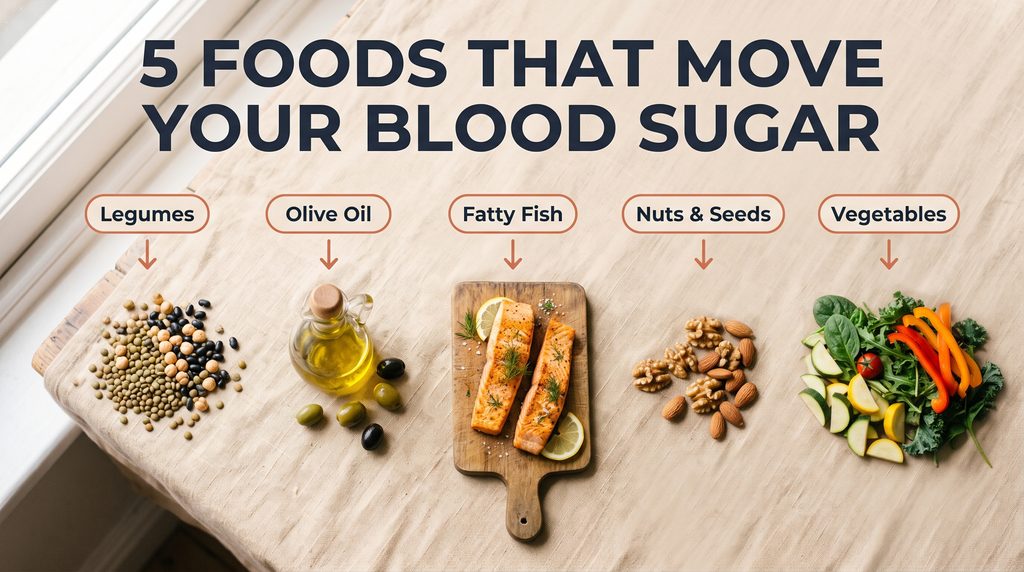
Extra-virgin olive oil is next, and it may be the fat most responsible for the cardiovascular and metabolic benefits observed in Mediterranean diet research. It largely works by replacing saturated fat, the kind found in processed meat and packaged snacks, which can interfere with how your cells respond to insulin. The landmark PREDIMED trial, published in the New England Journal of Medicine, found that a Mediterranean diet supplemented with extra-virgin olive oil significantly reduced cardiovascular risk compared with a standard low-fat diet [4]. Two to three tablespoons a day, used in dressings or drizzled over vegetables, is the amount researchers relied on.
Fatty fish, like salmon, sardines, and mackerel, round out the list along with nuts and seeds and non-starchy vegetables. Fatty fish supply long-chain omega-3s that calm systemic inflammation, one of the mechanisms known to interfere with insulin signaling. Walnuts and almonds add plant-based omega-3s and magnesium, a mineral tied to hundreds of processes involved in insulin function. And non-starchy vegetables- think leafy greens, peppers, and zucchini- fill your plate with volume and antioxidants without meaningfully moving blood sugar, which is exactly what makes this pattern sustainable rather than restrictive.
The Gut Bacteria Piece Nobody Talks About
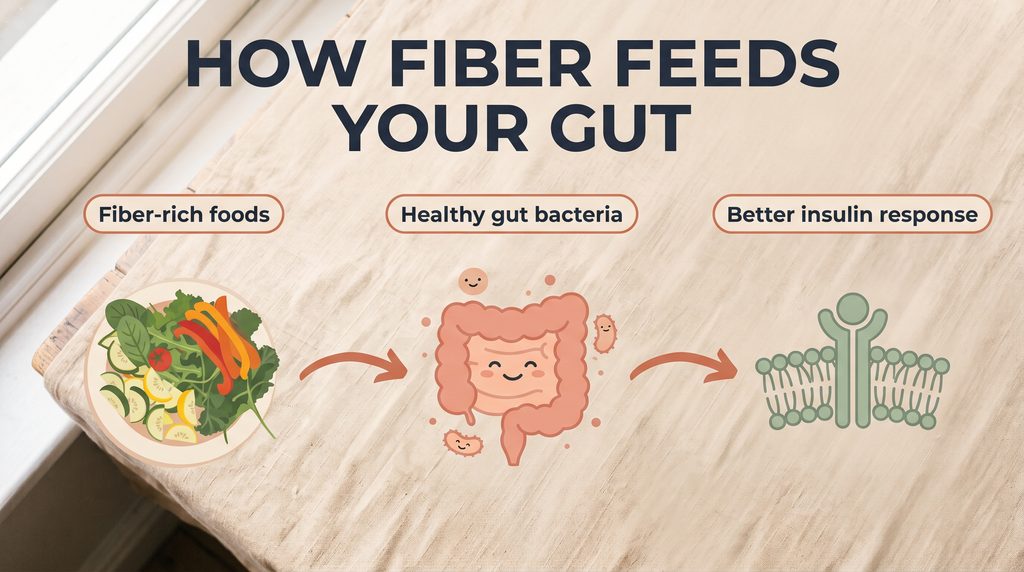
Here's where the research gets interesting. The systematic review mentioned above also examined what these foods do inside the gut. Multiple Mediterranean diet trials showed an increase in beneficial bacteria species, including Akkermansia muciniphila and Roseburia, both linked to improved insulin sensitivity and a stronger intestinal lining [2]. These particular bacteria thrive on the fermentable fiber found in legumes and vegetables. In other words, eating this way doesn't just feed you. It feeds the microbes that appear to play a role in how well your cells respond to insulin in the first place.
A Simple Plate Template You Can Start Today
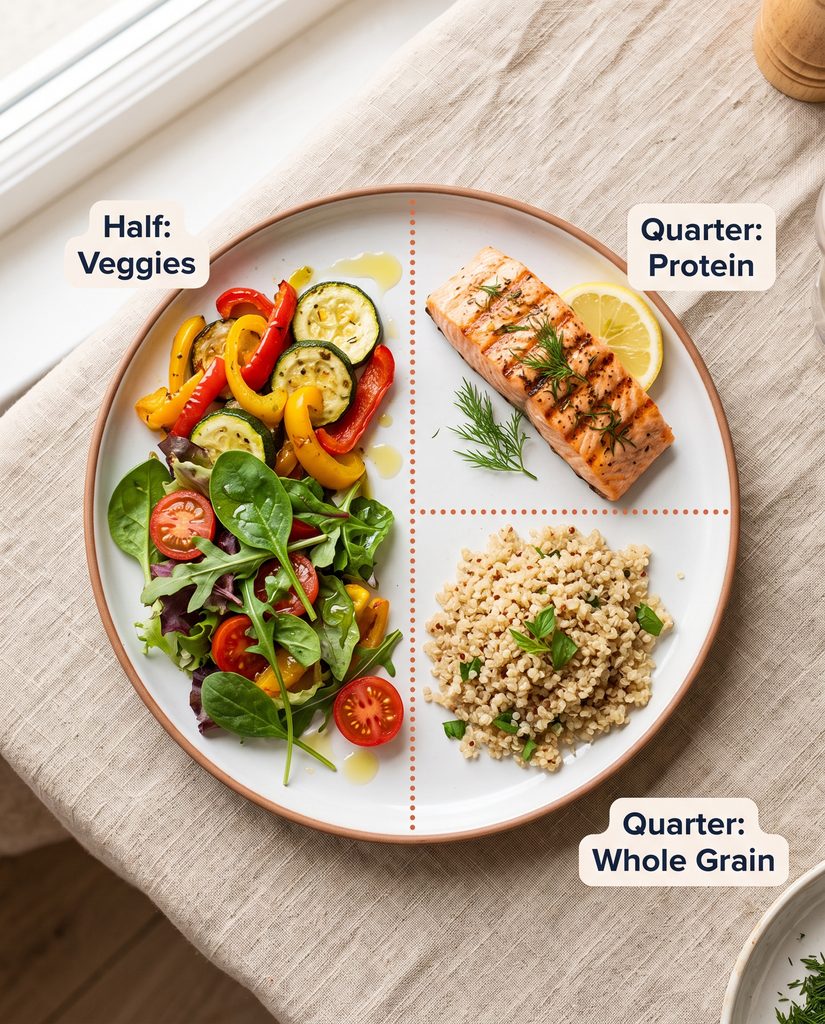
You don't need to memorize grams or track anything for this to work. Fill half your plate with non-starchy vegetables at every meal. Add a quarter plate of legumes or fatty fish. Round it out with a small quarter portion of a whole grain, like farro or quinoa, and use olive oil as your primary cooking fat. Follow that template consistently and you land in the fiber range researchers used, without counting a single gram.
None of this is about restriction. It's about building a plate so full of the right things that there simply isn't room left for the ones that were raising your numbers. For more ways to build steady blood sugar control throughout the day, check out our 5 post-meal movements that lower blood sugar fast, or grab our free meal plan with Mediterranean-based recipes to get started today.
References
[1] Schwingshackl, L., Chaimani, A., Hoffmann, G., Schwedhelm, C., & Boeing, H. (2018). A Network Meta-Analysis on the Comparative Efficacy of Different Dietary Approaches on Glycaemic Control in Patients with Type 2 Diabetes Mellitus. European Journal of Epidemiology.
[2] Lauria, F., Formisano, A., Dello Russo, M., Quaglia, C., Giacco, R., Russo, G. L., Spagnuolo, C., & Vitale, M. (2026). Mediterranean Diet, Gut Microbiota, and Type 2 Diabetes: A Systematic Review and Meta-Analysis of Intervention Trials. Nutrition, Metabolism and Cardiovascular Diseases.
[3] Nitzke, D., Czermainski, J., Rosa, C., Coghetto, C., Fernandes, S. A., & Carteri, R. B. (2024). Increasing Dietary Fiber Intake for Type 2 Diabetes Mellitus Management: A Systematic Review. World Journal of Diabetes.
[4] Estruch, R., Ros, E., Salas-Salvadó, J., Covas, M. I., Corella, D., Arós, F., Gómez-Gracia, E., Ruiz-Gutiérrez, V., Fiol, M., Lapetra, J., Lamuela-Raventós, R. M., Serra-Majem, L., Pintó, X., Basora, J., Muñoz, M. A., Sorlí, J. V., Martínez, J. A., Fitó, M., Gea, A., Hernán, M. A., & Martínez-González, M. A. (2018). Primary Prevention of Cardiovascular Disease with a Mediterranean Diet Supplemented with Extra-Virgin Olive Oil or Nuts. New England Journal of Medicine.