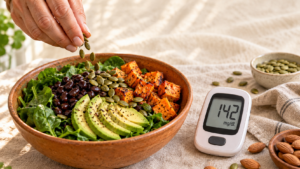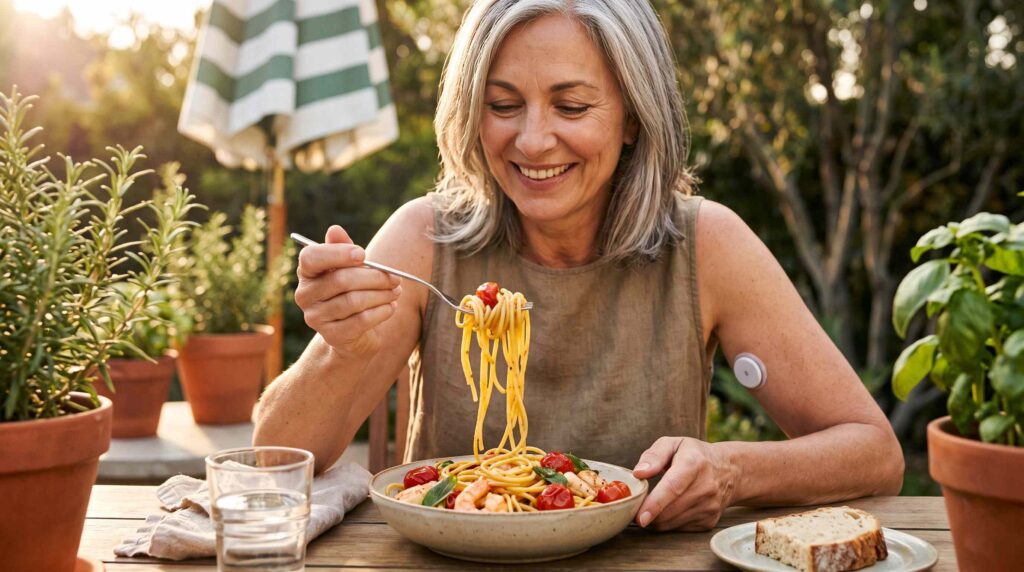
If you've been told to give up pasta after a type 2 diabetes diagnosis, you're not alone. Spaghetti night, baked ziti, and a cozy bowl of mac and cheese are some of the meals my clients miss most. As a registered dietitian and certified diabetes care and education specialist, I can tell you that pasta doesn't have to disappear from your plate. Some noodles send blood sugar soaring, while others create a much gentler rise. In this post, I'll share six pastas that work well for blood sugar and how to build a bowl that keeps you steady. You'll also learn a simple fridge trick that can lower the impact of the pasta already in your pantry.
Why Regular Pasta Hits Your Blood Sugar So Fast
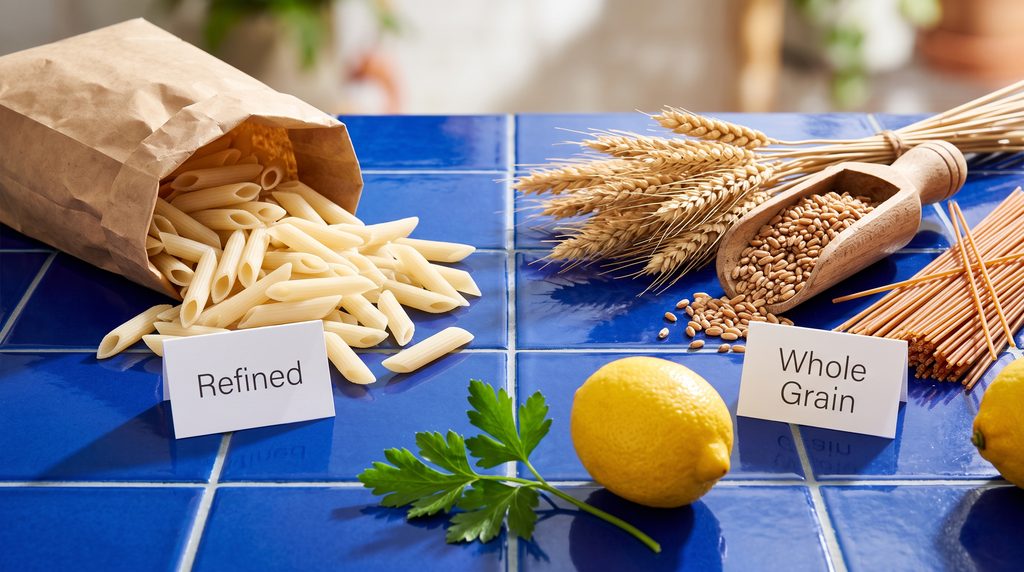
Pasta is a carbohydrate, and every carb-rich food raises blood sugar to some degree. What matters most is how fast and how high it climbs. That comes down to three things: what the noodle is made from, how much fiber and protein it carries, and how you cook and eat it. White pasta is made from refined semolina flour. That means the fiber-rich outer layers of the wheat have been stripped away. With less fiber to slow things down, your body breaks the starch into glucose quickly, and it rushes into your bloodstream all at once. The good news is that you don't need to give up pasta to avoid that spike. You just need a smarter noodle and a smarter plate.
The Bean-Based Noodles That Outperform Regular Spaghetti
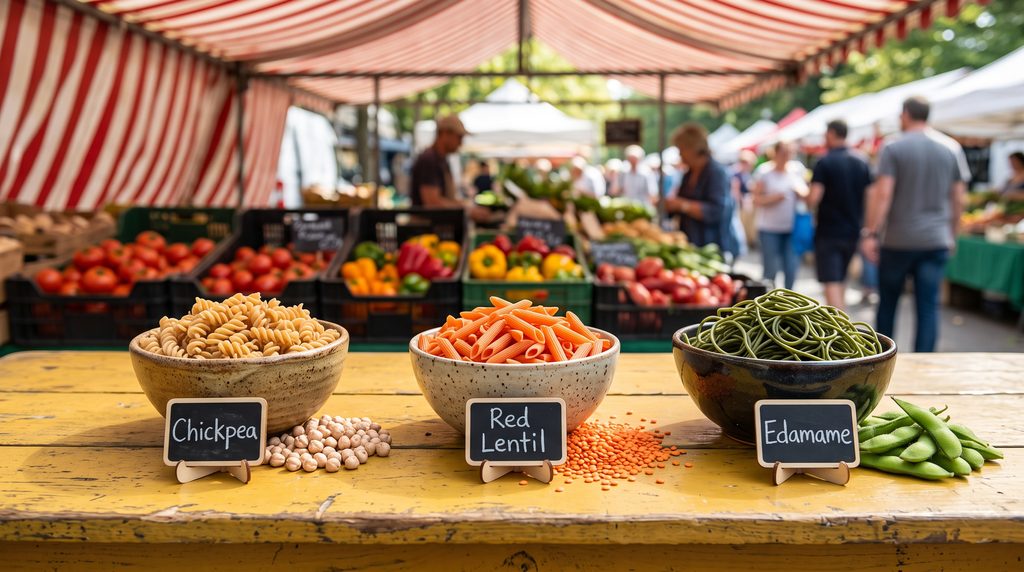
My first pick is chickpea pasta, made from ground chickpeas and sometimes blended with pea protein. Chickpeas are rich in fiber and plant protein, which slow digestion so sugar trickles into your blood instead of flooding it. A 2025 review in Nutrition Journal pooled 28 controlled studies. Chickpeas lowered the total rise in blood sugar after a meal compared with meals that had the same amount of carbs [1]. Most participants were healthy adults, so we need more research in people with diabetes, but the results are encouraging. Lentil pasta, made from red or green lentil flour, works the same way and keeps you full for hours. Edamame pasta, made from soybeans, is the protein champion of the group. Many brands offer more than 20 grams of protein per serving, with fewer carbs than other bean pastas.
Three More Swaps, Including a Noodle That's Almost All Fiber
High-protein pasta is regular wheat pasta boosted with ingredients like pea protein, lentil flour, or quinoa flour. Protein slows how fast your stomach empties, which slows how fast sugar reaches your blood. In one small study, healthy men had a lower blood sugar response when protein was added to a glucose drink, mainly because their stomachs emptied more slowly [2]. Whole wheat pasta is a familiar middle ground. It keeps more of the wheat kernel, so you get extra fiber and a gentler rise than white pasta, though less protein than the bean options. Then there are konjac noodles, sometimes sold as shirataki. They're made from a root vegetable and are almost entirely a soluble fiber called glucomannan.
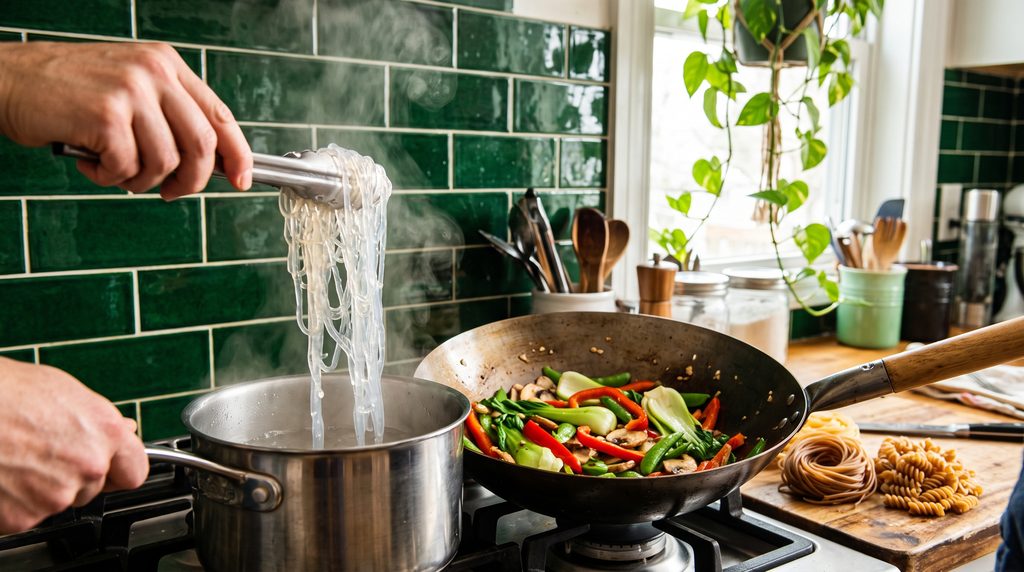
With barely any digestible starch, they hardly move blood sugar at all. A review of six trials in 440 people with type 2 diabetes found that glucomannan lowered fasting blood sugar, after-meal blood sugar, and LDL cholesterol [3]. Those trials used supplements rather than noodles, but they show why this fiber earns a spot in your kitchen.
How to Build a Pasta Bowl That Won't Spike You
Even the best noodle can raise your blood sugar if you eat a giant bowl of it on its own. Start with your portion. A serving about the size of your fist means less carbohydrate hitting your system at once. Then build around it. Add a palm-sized portion of protein like chicken, shrimp, salmon, or white beans.
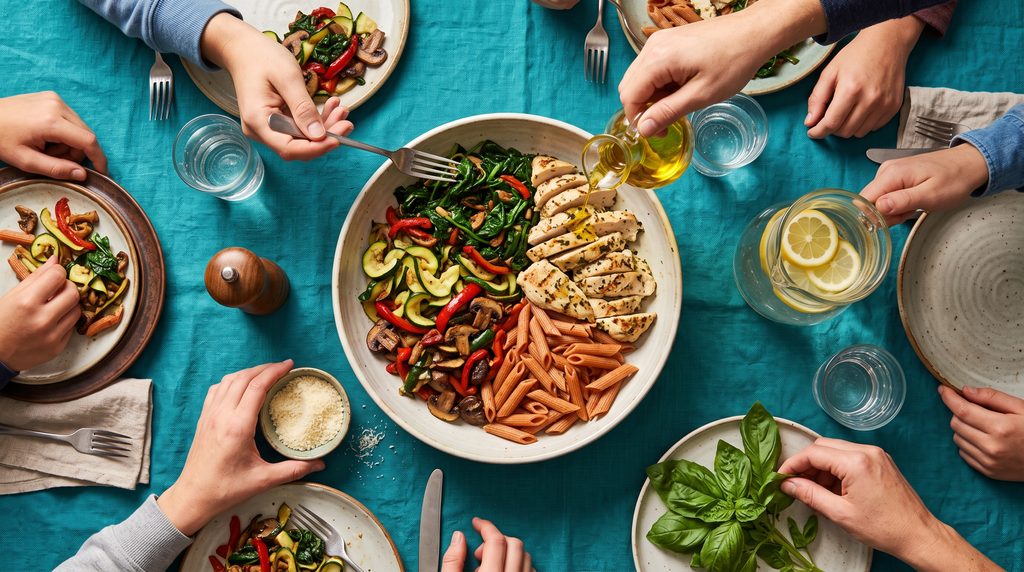
Finish with a drizzle of olive oil and a big pile of vegetables such as spinach, zucchini, mushrooms, or roasted peppers. Protein, healthy fat, and fiber all slow digestion and soften the curve. Eating slowly and chewing well helps too, and a short walk after dinner gives your muscles a chance to pull extra sugar from your blood. For simple ideas, check out 5 Post-Meal Movements That Lower Blood Sugar Fast.
The Overnight Fridge Trick Most People Skip
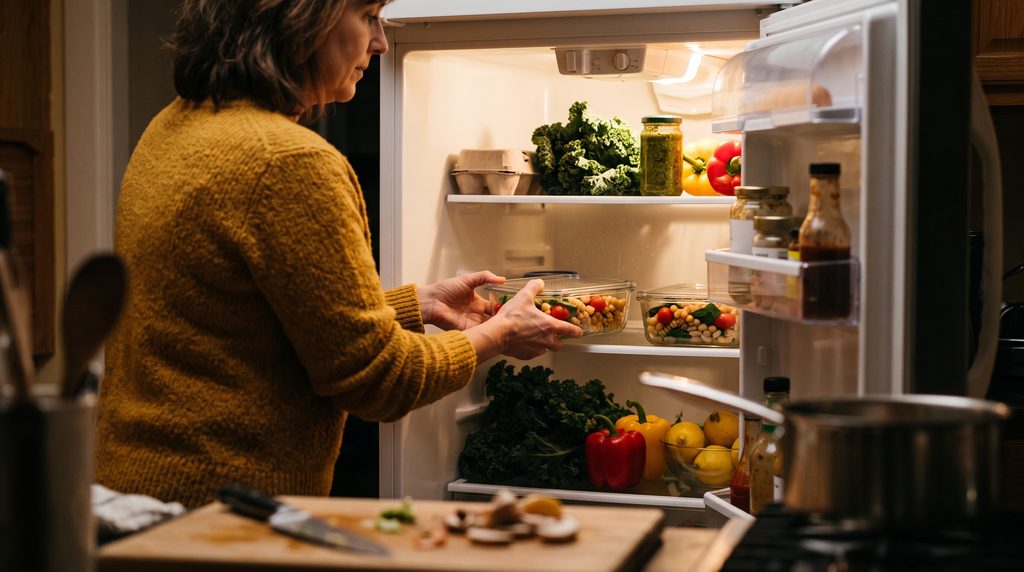
Here's the part that surprised me most when I read the research: how you prepare pasta may matter almost as much as which kind you buy. In a 2024 study published in Metabolites, researchers served healthy adults chickpea pasta two ways [4]. One batch was freshly cooked, and the other was cooked, chilled in the fridge for 24 hours, and reheated. The chilled and reheated batch had about twice as much resistant starch and led to a gentler blood sugar response. Resistant starch forms when cooked starch cools and changes shape, so your body digests it slowly, almost like fiber. The trick isn't limited to bean pasta either. In a study of 45 young adults, regular pasta that was cooled and reheated produced a smaller blood sugar response and returned to baseline faster than pasta eaten hot [5]. For more ways to tame starchy sides, read This Popular Rice Is Worse for Blood Sugar Than White Rice.
Pasta night can stay on the menu. Reach for chickpea, lentil, edamame, or protein-enriched pasta when you can, and keep whole wheat or konjac noodles in the rotation. Pair every bowl with protein, healthy fat, and plenty of vegetables. Cook a batch ahead, chill it overnight, and reheat it for an easy upgrade. Checking your blood sugar two hours after eating is the best way to see which swaps work for your body. Small changes like these add up, and for more simple daily habits, grab our free 10-habit insulin resistance checklist.
References
[1] Mah et al. (2025). Chickpea Attenuates Postprandial Blood Glucose Responses: A Systematic Review and Meta-Analysis. Nutrition Journal.
[2] Karamanlis et al. (2007). Effects of Protein on Glycemic and Incretin Responses and Gastric Emptying After Oral Glucose in Healthy Subjects. The American Journal of Clinical Nutrition.
[3] Zhang et al. (2023). Effects of Glucomannan Supplementation on Type II Diabetes Mellitus in Humans: A Meta-Analysis. Nutrients.
[4] Bojarczuk et al. (2024). The Effect of Cooking and Cooling Chickpea Pasta on Resistant Starch Content, Glycemic Response, and Glycemic Index in Healthy Adults. Metabolites.
[5] Hodges et al. (2020). Method of Food Preparation Influences Blood Glucose Response to a High-Carbohydrate Meal: A Randomised Cross-over Trial. Foods.