If your lab report flags both your blood sugar and your LDL cholesterol, you are far from alone. A study of nearly 1.4 million Americans with type 2 diabetes found that 77% also had high cholesterol [1]. When your cells resist insulin, your blood sugar and insulin levels both stay high, and your liver responds by making more fat-carrying particles called VLDL. As these particles drop off their fat, they leave behind small, dense LDL, the kind that slips into artery walls more easily. Below are five habits that target that shared root cause, plus the research behind each one.
The 5-Gram Fiber Habit That Starts Before You Eat
Psyllium husk is a soluble fiber that turns into a thick gel in your gut, and that gel does two jobs at once. It slows how quickly sugar from your meal reaches your blood, so your body needs less insulin. It also traps bile acids, which your liver makes from cholesterol, and carries them out of your body. To replace them, your liver pulls more LDL out of your blood. A dose-response meta-analysis in Phytotherapy Research pooled 8 trials with 395 people with diabetes. Psyllium lowered fasting blood sugar by about 32 mg/dL, A1c by about 0.9 points, LDL by about 9 mg/dL, and triglycerides by about 19 mg/dL [2].
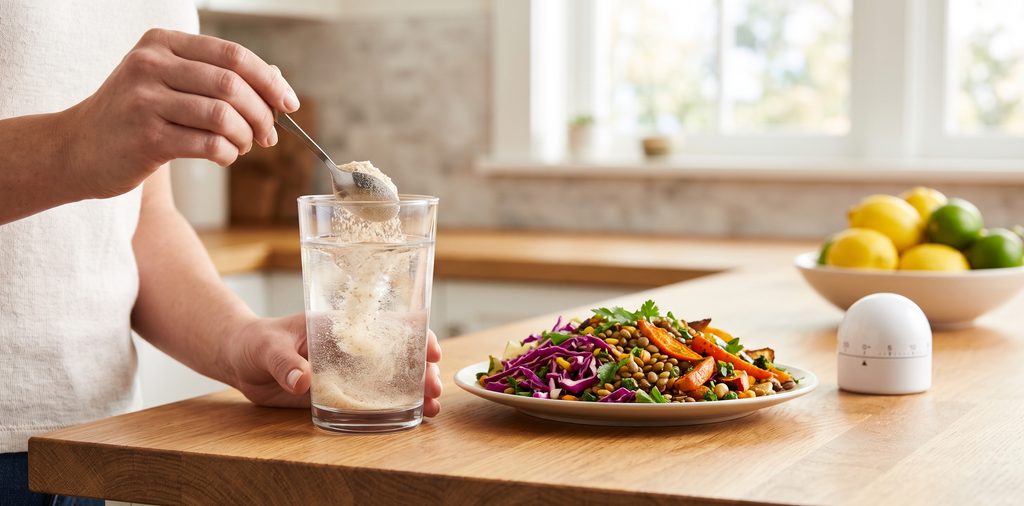
To try it, stir 5 grams of psyllium husk into a full glass of water and drink it 15 minutes before your largest meal, so the gel is in place when the food arrives. If your stomach handles it well, add a second dose before your next biggest meal. Build up over a week or two, since fiber can cause gas and bloating, and drink plenty of water.
Berberine: Why Splitting the Dose Matters
Berberine turns on AMPK, an energy switch inside your cells that helps your muscles and liver respond better to insulin. When insulin works better, your liver gets less of a signal to pump out VLDL, and berberine also helps your liver clear LDL from your blood. A 2024 meta-analysis in Frontiers in Pharmacology pooled 50 trials with 4,150 people with type 2 diabetes. On its own, berberine lowered fasting blood sugar by about 11 mg/dL, blood sugar two hours after eating by about 28 mg/dL, LDL by about 12 mg/dL, and triglycerides by about 31 mg/dL [3].

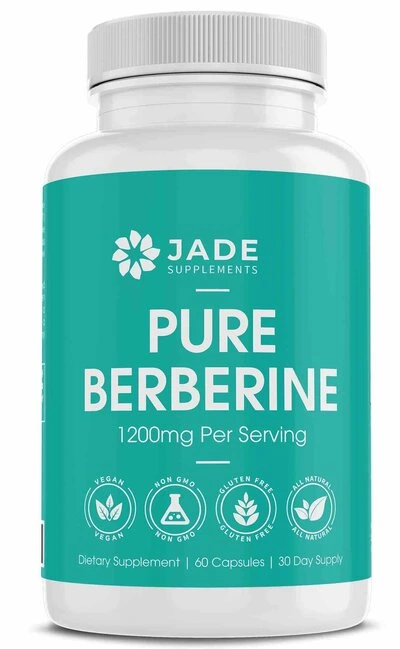
Most trials used 900 to 1,500 mg a day, split into doses taken with food. Berberine does not stay in your blood for long, so I take 600 mg with the first bite of breakfast and 600 mg with the first bite of dinner. I use JADE Pure Berberine, the third-party tested berberine HCl formula Diana and I created, and my A1c is 5.1%, though I also practice every habit in this post. To learn more, read Berberine for Blood Sugar: Why It Works (For Some), and check with your doctor first if you take diabetes medication.
Omega-3s Target the Number Most People Overlook
Omega-3s are not really a blood sugar fix or an LDL fix. They are a triglyceride fix, because they lower the amount of fat your liver packs into VLDL, the particle that later becomes small, dense LDL. A 2022 meta-analysis of 46 trials in 4,991 people with type 2 diabetes found omega-3s lowered triglycerides by about 32 mg/dL and raised HDL, your “good” cholesterol, slightly [4]. A1c dipped a little, but fasting blood sugar and LDL did not change.
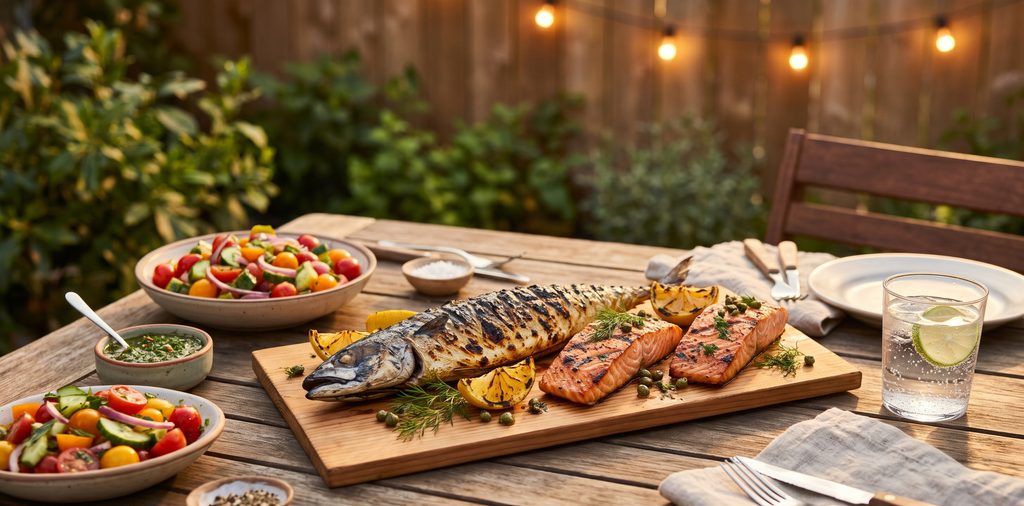
High triglycerides travel hand in hand with insulin resistance, so they are worth targeting. Start with fatty fish like salmon, sardines, or mackerel a couple of times a week. If you prefer a supplement, quality really matters, so choose a trusted brand that lists both EPA and DHA on the label.
CoQ10: A Helpful Sidekick, Not the Main Event
CoQ10 helps your mitochondria, the tiny power plants inside your cells, turn fuel into energy. It also works as an antioxidant. Stressed, damaged cells respond poorly to insulin, so researchers have tested CoQ10 for blood sugar. A 2026 meta-analysis in the Journal of Diabetes Research pooled 64 trials with 3,422 people with metabolic conditions. CoQ10 lowered fasting blood sugar, A1c, fasting insulin, and insulin resistance, but it only lowered LDL by about 4 mg/dL [5]. That’s why I see CoQ10 as a supporting player, not a main fix. If you want to add it, look for a third-party tested option such as JADE CoQ10.

The One Swap Worth Making If You Do Nothing Else
If you only pick one habit from this list, make it this one. A 2025 meta-analysis in Advances in Nutrition pooled 24 controlled feeding trials with 1,011 adults. Diets higher in polyunsaturated fat and lower in saturated fat lowered LDL by almost 10 mg/dL. When the diets differed by at least 2% of calories from saturated fat, LDL dropped by about 16 mg/dL, but when saturated fat stayed the same, there was no real difference [6]. So the benefit comes from actually cutting it.
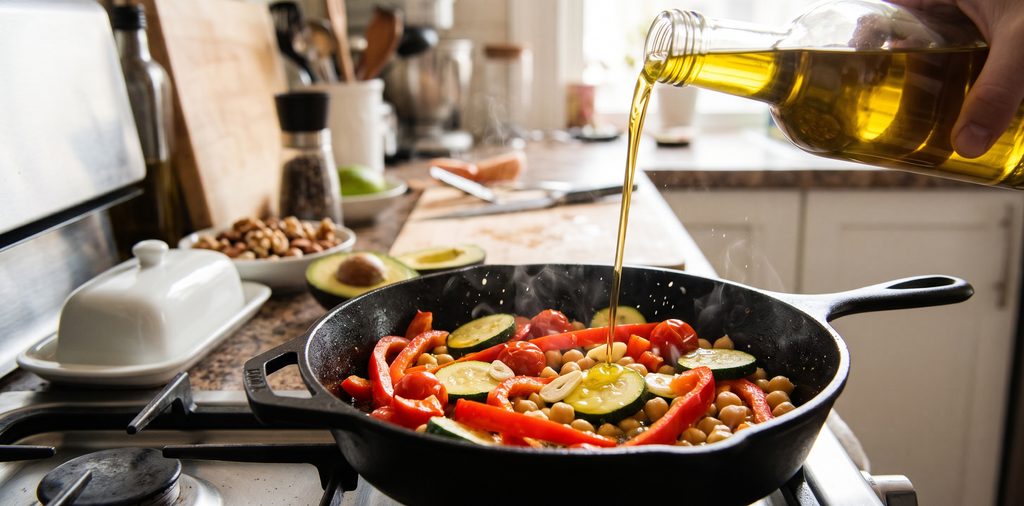
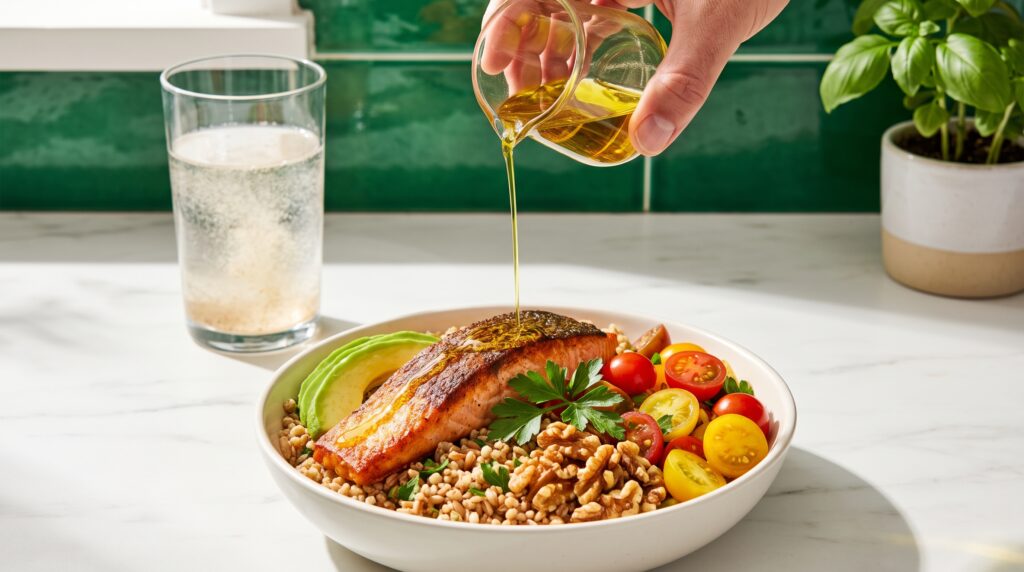
According to the American Heart Association, saturated fat should stay under 6% of your daily calories, or about 13 grams a day on a 2,000-calorie diet. Swap butter, bacon, fatty cuts of meat, and coconut oil for olive oil, avocado, nuts, seeds, and fatty fish. This does not mean going vegan, since fish, eggs, and low-fat dairy still have a place on your plate.
For many people with high blood sugar, high cholesterol is really an insulin problem, and your lipid panel is simply where it shows up. Get baseline labs first, including fasting glucose, A1c, and a full lipid panel with triglycerides. Change one or two things at a time for 8 to 12 weeks, then recheck so you know what’s working. If you’re not sure which numbers to aim for, read Normal vs. Optimal: The 4 Blood Sugar Numbers to Know. None of these habits replaces a statin or any medication your doctor prescribed. To keep building momentum, grab our free 10-habit insulin resistance checklist.
References
[1] Iglay et al. (2016). Prevalence and Co-Prevalence of Comorbidities Among Patients With Type 2 Diabetes Mellitus. Current Medical Research and Opinion.
[2] Xiao et al. (2020). The Effect of Psyllium Consumption on Weight, Body Mass Index, Lipid Profile, and Glucose Metabolism in Diabetic Patients: A Systematic Review and Dose-Response Meta-Analysis of Randomized Controlled Trials. Phytotherapy Research.
[3] Wang et al. (2024). Effects of Administering Berberine Alone or in Combination on Type 2 Diabetes Mellitus: A Systematic Review and Meta-Analysis. Frontiers in Pharmacology.
[4] Xiao et al. (2022). The Effects of Omega-3 Fatty Acids in Type 2 Diabetes: A Systematic Review and Meta-Analysis. Prostaglandins, Leukotrienes and Essential Fatty Acids.
[5] Zhang et al. (2026). Effects of Coenzyme Q10 on Lipid, Glycemic, and Inflammatory Markers in Metabolic Disorders: A Systematic Review and Meta-Analysis. Journal of Diabetes Research.
[6] Hart et al. (2025). Dietary Polyunsaturated to Saturated Fatty Acid Ratio as an Indicator for LDL Cholesterol Response: A Systematic Review and Meta-Analysis of Randomized Clinical Trials. Advances in Nutrition.