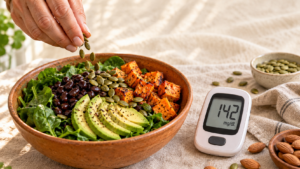
If you’ve been doing everything “right”, eating better, moving more, and still waking up with blood sugar levels between 110 and 150 (or higher), it can feel frustrating. Many people start to wonder if they’re missing something.
One supplement that often comes up is berberine. But the real question is: does it actually work, or is it just another trend?
The short answer is yes, for many people with insulin resistance, prediabetes, or type 2 diabetes, berberine can help lower blood sugar. But the key is to use it correctly and pair it with the right lifestyle habits.
What Berberine Actually Does Inside Your Body
Berberine is a natural compound found in plants like barberry and goldenseal. What makes it interesting is how it works at the cellular level.
It activates a pathway called AMPK, often described as your body’s metabolic “master switch.” When this pathway is turned on, several helpful changes happen. Your muscles become more sensitive to insulin, meaning they can pull more glucose out of the bloodstream. Your liver slows the rate at which it releases sugar, especially overnight. And your body becomes more efficient at using energy rather than storing it.
This is why berberine doesn’t just affect one marker. Research shows improvements in fasting glucose, A1c, triglycerides, and cholesterol, all areas that matter for long-term metabolic health [1][2].
What the Research Really Shows
It’s easy to get skeptical about supplements, and that’s fair. But berberine has been studied extensively in human trials.
A large systematic review and meta-analysis of randomized controlled trials found that berberine significantly reduced fasting blood sugar and A1c levels in people with type 2 diabetes [1]. In some cases, its glucose-lowering effect was comparable to metformin over a three-month period [1].
Another meta-analysis showed that berberine also improves triglycerides, LDL cholesterol, and even body composition markers [2].
These results matter because managing blood sugar is not just about one reading; it’s about improving overall metabolic function over time.
That said, expectations should be realistic. Weight loss tends to be modest, often around 3–5 pounds over 12 weeks. The bigger benefit is improved insulin sensitivity, meaning your body handles carbohydrates more effectively [2].
Why Berberine Doesn’t Work for Everyone
If berberine is this promising, why do some people say it didn’t work for them?
In most cases, it comes down to how it’s used.
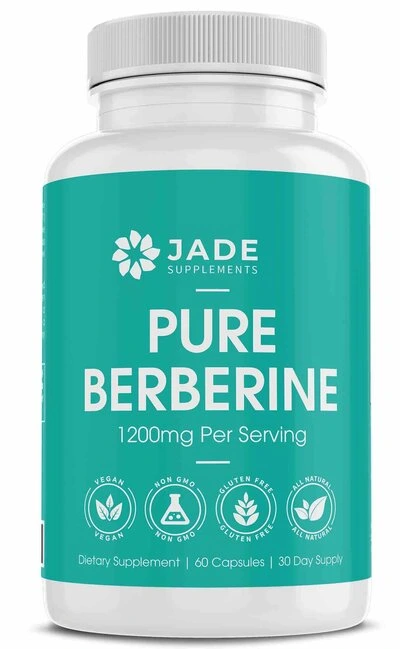
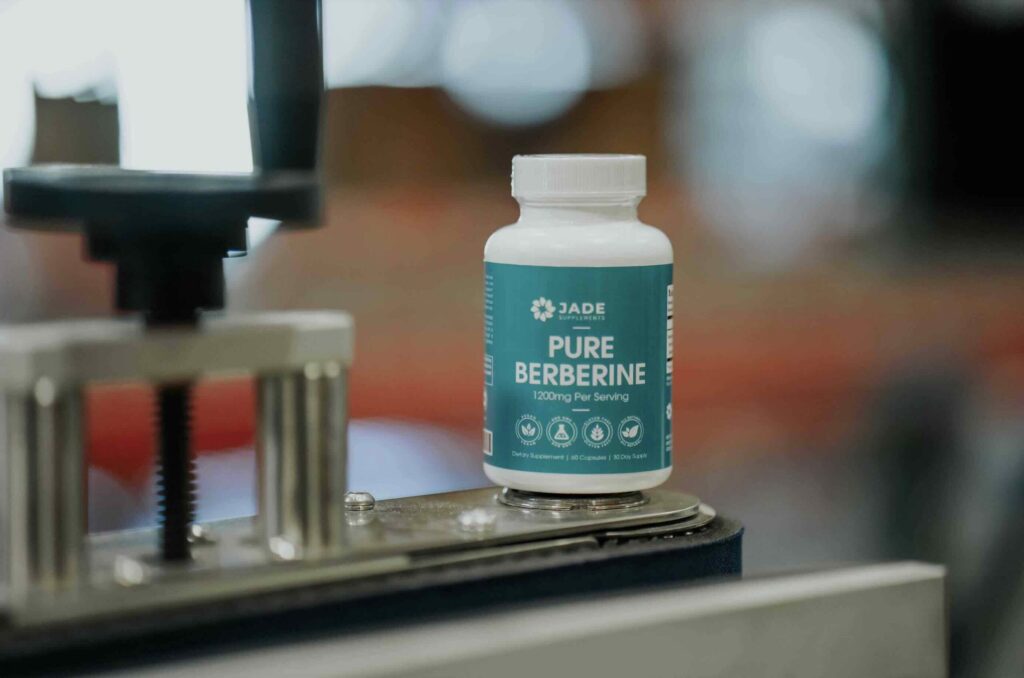
One of the most common issues is underdosing. Many supplements contain only 200–400 mg per capsule, which is below what’s used in research. The clinically effective range is typically 1,000–1,500 mg per day, with 1,200 mg being a common target.
Another issue is inconsistency. Berberine works over time. It often takes 4–6 weeks to see changes in fasting blood sugar and up to 12 weeks for A1c improvements [1].
The form also matters. Most human studies use berberine HCl. Newer forms may sound appealing, but they often lack strong outcome data.
Finally, and this is the biggest one, lifestyle can cancel out the benefits. A diet high in saturated fat, low fiber intake, poor sleep, and lack of muscle activity all work against insulin sensitivity. Berberine can support the process, but it cannot override conflicting signals from daily habits.
The Most Effective Way to Use Berberine
To get meaningful results, consistency and structure matter.
A typical evidence-based approach is 600 mg taken twice per day, usually with meals for better tolerance. Starting with one dose daily and increasing gradually can help reduce digestive discomfort.
Equally important is what you pair it with.
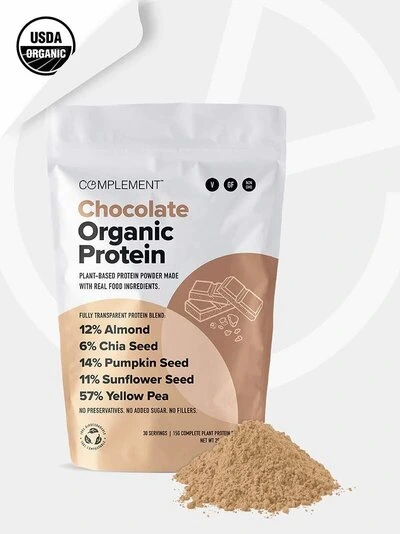
Fiber intake plays a major role. Aiming for around 30–40 grams per day helps slow glucose absorption and supports gut health, which in turn improves insulin sensitivity.
Movement is another powerful tool. Even a 15–20 minute walk after meals can significantly reduce blood sugar spikes. A randomized crossover study found that three short post-meal walks were more effective for glucose control than one longer session [3].
Resistance training two to three times per week helps build muscle, which acts like a “glucose sink,” pulling sugar out of the bloodstream more efficiently.
Sleep and stress also matter more than most people realize. Poor sleep can reduce insulin sensitivity by up to 25% the next day, making blood sugar harder to control.
Safety Considerations You Should Know
Berberine is generally well-tolerated, but it’s not for everyone.
The most common side effects are digestive, such as mild cramping or loose stools, especially in the first couple of weeks. These usually improve over time.
It can also interact with certain medications, including blood sugar medications, blood pressure drugs, and medications processed by the liver. If you’re taking insulin or other glucose-lowering medications, it’s important to speak with your healthcare provider before starting.
It should not be used during pregnancy, breastfeeding, or in individuals with certain medical conditions without supervision.
The Bigger Picture: A Tool, Not a Shortcut
Berberine can be a helpful addition, but it works best when it’s part of a bigger plan.
When you combine it with a high-fiber, plant-forward diet, lower saturated fat intake, regular strength training, post-meal movement, and better sleep, the results become more noticeable, and more sustainable.
This is where many people finally see their numbers start to match their effort.
Conclusion
So, does berberine really lower blood sugar?
For many people with insulin resistance, the answer is yes. Research shows consistent improvements in fasting glucose, A1c, and overall metabolic health when used correctly [1][2].
The right dose, the right form, and consistent daily habits make all the difference.
If you approach it as a support tool, not a replacement for lifestyle, you can create meaningful, lasting improvements in your blood sugar and overall health.
References
[1] Guo et al. (2021). The Effect of Berberine on Metabolic Profiles in Type 2 Diabetic Patients: A Systematic Review and Meta-Analysis of Randomized Controlled Trials. Evidence-Based Complementary and Alternative Medicine.
[2] Liu et al. (2025). Efficacy and safety of berberine on the components of metabolic syndrome: a systematic review and meta-analysis of randomized placebo-controlled trials. Frontiers in Pharmacology.
[3] Pahra et al. (2017). Impact of post-meal and one-time daily exercise in patients with type 2 diabetes mellitus: a randomized crossover study. Diabetology & Metabolic Syndrome.

Diana is a nationally recognized Registered Dietitian and Certified Diabetes Care and Education Specialist (CDCES), and holds a Master’s degree in Nutrition Science and Policy from the Tufts Friedman School of Nutrition. She received her education and dietetics training from Villanova University, Tufts University, and UC San Diego Health. Diana has over 8 years of experience working in the field of type 2 diabetes.