


Many common snack foods; chips, crackers, and packaged bars, are built around refined carbohydrates and added oils. These foods digest quickly, often leading to rapid blood sugar spikes followed by drops that trigger more hunger shortly after eating. For individuals managing insulin resistance, prediabetes, or type 2 diabetes, choosing snacks that provide protein and fiber can make a meaningful difference in daily glucose stability.
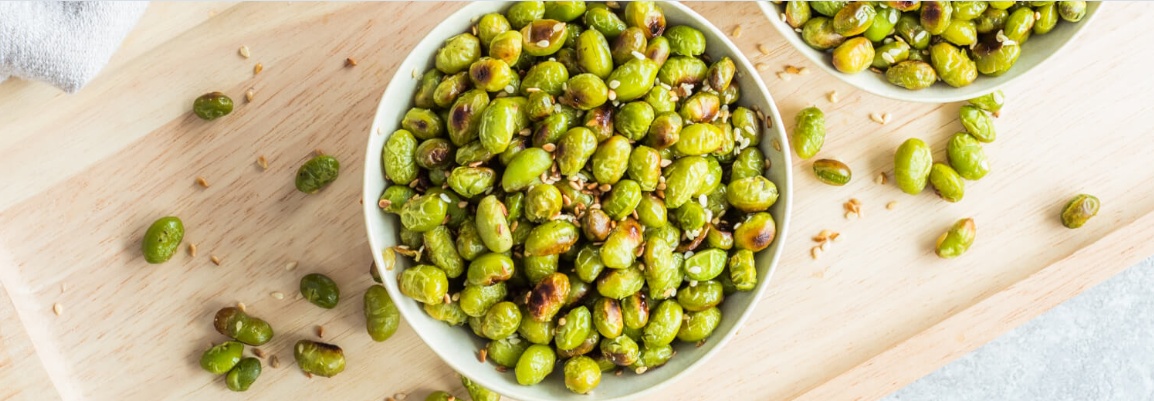
Roasted Sesame Edamame is a simple example of a snack that works differently. Instead of refined carbohydrates, this recipe centers around edamame, a whole soybean that provides plant protein, fiber, and beneficial micronutrients. Roasting the beans creates a lightly crisp texture while sesame oil and sesame seeds add flavor and healthy fats.
The result is a snack that supports satiety while helping reduce the likelihood of large post-snack glucose swings.
Edamame: Plant Protein That Supports Blood Sugar Control
Edamame is naturally rich in plant protein and fiber. One cup provides roughly 17 grams of protein and about 8 grams of fiber, a combination that slows digestion and helps moderate the release of glucose into the bloodstream.
Higher protein intake, especially when replacing animal protein sources high in saturated fat, has been associated with improvements in glycemic control. A systematic review and meta-analysis found that replacing animal protein with plant protein significantly improved HbA1c, fasting glucose, and insulin levels in individuals with diabetes [1].
Soybeans are a rich source of isoflavones, and meta‑analyses of randomized trials show that soy protein containing isoflavones produces small but significant improvements in blood lipid profiles. Diets that include soy foods have been associated with improvements in cholesterol levels and metabolic markers [2].
For individuals working to improve insulin sensitivity, plant-based protein sources like edamame can be a helpful addition to the diet.
Fiber and Satiety: Why Snack Composition Matters
Snacks built primarily from refined carbohydrates tend to digest quickly. Without fiber, protein, or fat to slow digestion, glucose enters the bloodstream rapidly, which can lead to a spike followed by a crash.
Fiber plays a key role in slowing carbohydrate absorption and supporting more stable blood sugar levels. Higher fiber intake has consistently been linked to improved glycemic control and reduced risk of type 2 diabetes in large meta-analyses [3].
Edamame provides both soluble and insoluble fiber, which not only helps moderate glucose absorption but also supports digestive health and gut microbiome diversity.
When snacks include fiber alongside protein—as they do in this recipe—the glucose response tends to be slower and more stable compared to carbohydrate-dominant snacks.
Sesame Seeds and Healthy Fats
This recipe also includes sesame seeds and a small amount of sesame oil. Healthy fats help slow gastric emptying, meaning carbohydrates are absorbed more gradually.
Sesame seeds contain lignan compounds and antioxidant phytochemicals, and clinical research shows that sesame supplementation can “significantly reduce fasting glucose, hemoglobin A1c, postprandial blood glucose, and lipids” in people with diabetes [4].
For individuals with insulin resistance, combining healthy fats with protein and fiber can help create a more balanced metabolic response to meals and snacks.

Roasted Sesame Edamame
- 3 cups Frozen Edamame (thawed)
- 1 tbsp Sesame Oil (divided)
- 1 tbsp Sesame Seeds
- 1 tsp Table Salt
- Preheat the oven to 425ºF (220ºC) and line a baking sheet with parchment paper
- In a bowl, combine the edamame, oil, sesame seeds, and salt. Spread the mixture onto the prepared baking sheet.
- Bake for 15 to 20 minutes or until golden. Enjoy!
Nutrition Highlights (Approximate, per serving – serves 3)
~180–200 calories
~12–14 g protein
~6–8 g fiber
Low saturated fat
Rich in plant protein, magnesium, and antioxidants
A Simple Snack That Supports Metabolic Health
Managing blood sugar does not require eliminating snacks. In fact, the right snack can help prevent large swings in hunger and glucose levels throughout the day.
The key is focusing on nutrient density and balance. Snacks that combine plant protein, fiber, and healthy fats (like roasted edamame) digest more slowly and support stable energy levels.
Small changes such as replacing refined snack foods with whole-food options can accumulate over time, helping support improved insulin sensitivity, better glucose control, and overall metabolic health.
References
[1] Viguiliouk et al. (2015). Effect of Replacing Animal Protein with Plant Protein on Glycemic Control in Diabetes: A Systematic Review and Meta-Analysis of Randomized Controlled Trials. Nutrients.
[2] Ramdath et al. (2017). Beyond the Cholesterol-Lowering Effect of Soy Protein: A Review of the Effects of Dietary Soy and Its Constituents on Risk Factors for Cardiovascular Disease. Nutrients.
[3] Reynolds et al. (2019). Carbohydrate quality and human health: a series of systematic reviews and meta-analyses. Lancet.
[4] Jafari et al. (2022). The beneficial effects of sesame (Sesamum indicum L.) products and their bioactive compounds on cardiovascular disease risk factors in patients with diabetes: A GRADE-assessed systematic review and meta-analysis. Nutrition, Metabolism and Cardiovascular Diseases.

Diana is a nationally recognized Registered Dietitian and Certified Diabetes Care and Education Specialist (CDCES), and holds a Master’s degree in Nutrition Science and Policy from the Tufts Friedman School of Nutrition. She received her education and dietetics training from Villanova University, Tufts University, and UC San Diego Health. Diana has over 8 years of experience working in the field of type 2 diabetes.













Leave a Comment