If you have type 2 diabetes or insulin resistance, you've probably heard the usual advice: cut the carbs, watch your sugar, take your medication. And while those things matter, what most people don't hear enough about is what you can actively add to your diet that helps move the needle on blood sugar. These seven foods are part of the exact strategies that have helped thousands of people lower their A1c, stabilize their fasting glucose, and improve insulin sensitivity — not through extreme dieting or starving themselves, but by working with their physiology rather than against it. None of these foods is a miracle solution, but used consistently, the science behind them is real and meaningful.
1. Fenugreek Seeds: The Overlooked Blood Sugar Tool
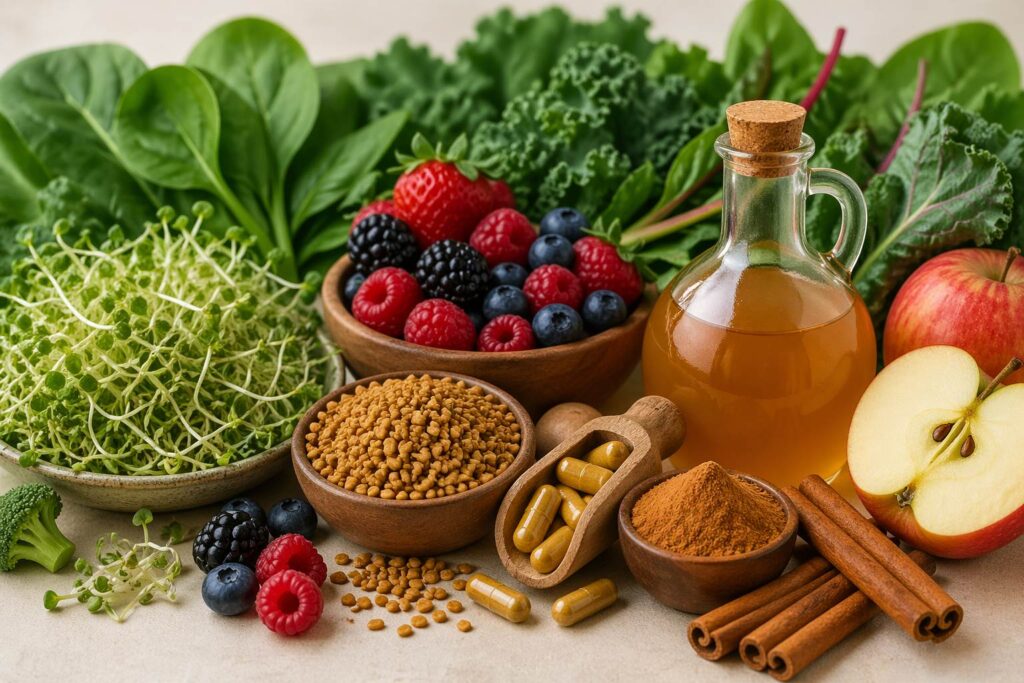
Fenugreek has been used in traditional medicine for centuries, but most people today still think of it as just a spice. Metabolically, though, it works through two very specific mechanisms that make it genuinely useful for blood sugar management. First, fenugreek contains a rare amino acid called 4-hydroxyisoleucine, which helps stimulate insulin release from the pancreas — but only when blood sugar is already elevated. That means it helps make your body's insulin response more precise and efficient, rather than randomly forcing insulin output. Second, it's rich in a viscous soluble fiber called galactomannan, which forms a gel-like matrix in the gut that slows the rate at which glucose enters the bloodstream. Think of it as placing a natural speed regulator on carbohydrate absorption. According to research published in PMC, multiple clinical trials and meta-analyses confirm that regular fenugreek intake reduces fasting glucose and improves A1c in people with type 2 diabetes [1].
The simplest way to use it is to soak about 1 teaspoon of seeds in water overnight, then drink the water and chew the softened seeds in the morning. Start with a small amount — fenugreek can have a strong gastrointestinal effect if you jump in too fast. And if you're currently taking glucose-lowering medications, speak with your doctor before adding it, since it can amplify those effects.
2. Cinnamon: Why Consistency Beats a Big Dose
Cinnamon won't reverse diabetes on its own, but it's one of the simplest things you can layer into your daily routine to reduce post-meal blood sugar volatility. The bioactive compounds in cinnamon — particularly cinnamaldehyde and certain polyphenols — appear to enhance how efficiently your cells respond to insulin. It also mildly slows gastric emptying and inhibits some of the enzymes involved in carbohydrate digestion, which helps smooth out the glucose curve after eating. A 2023 systematic review and meta-analysis found consistent, measurable reductions in both fasting glucose and hemoglobin A1c with regular cinnamon use [2]. The results aren't dramatic, but they are reliable — and reliability is what creates long-term change.
Aim for roughly half a teaspoon per day. Sprinkle it on oats, stir it into coffee, or mix it into plain Greek yogurt. If you're using it regularly, choose Ceylon cinnamon over Cassia when possible. Cassia contains higher levels of a compound called coumarin, which can accumulate at higher doses and stress the liver over time. Small exposure, repeated often — that's where the benefit adds up.
3. Berries: The Fruit Your Blood Sugar Actually Tolerates
There's a common fear among people with diabetes that all fruit spikes blood sugar. Berries are one of the clearest examples of why food structure matters more than sugar content alone. Yes, they contain natural sugars — but they're also packed with soluble fiber and powerful polyphenols called anthocyanins that influence glucose metabolism at a cellular level. The fiber slows gastric emptying and reduces how quickly glucose reaches the bloodstream. The anthocyanins have been shown to improve insulin signaling and reduce oxidative stress, both of which drive insulin resistance. The result is a far more moderate glucose response than you'd get from refined carbohydrates or many other fruits.
For an even smoother response, pair berries with something that slows absorption further — try them with plain Greek yogurt, chia pudding, or a small bowl of oats. They're also a satisfying solution for sweet cravings, because you get real sweetness alongside fiber, micronutrients, and metabolic support all at once.
4. Leafy Greens: Why Eating Them First Is a Lesser-Known Strategy
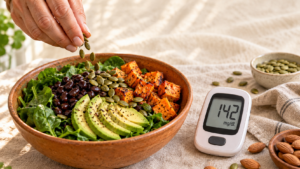
One of the most underused strategies for reducing post-meal blood sugar spikes doesn't require changing what you eat — just the order. Eating leafy greens before the rest of your meal creates a physiological buffer that alters how your body responds to the carbohydrates that follow. The fiber in greens forms a matrix in the gut that slows gastric emptying, which means glucose enters your circulation more gradually rather than flooding it all at once. This leads to less insulin demand, less oxidative stress, and smaller post-meal spikes. Leafy greens also deliver magnesium, potassium, and folate — micronutrients that directly support insulin receptor activity. Multiple controlled trials on meal order have confirmed that consuming fiber and vegetables before carbohydrates significantly reduces post-meal glucose compared to eating carbs first [3].
You don't need an elaborate recipe for this to work. A large bowl of leafy greens with a vinegar-based dressing before your main meal is enough. Simple, repeatable, and effective. For more practical meal strategies focused on blood sugar management, check out the Type 2 Diabetes Revolution blog for in-depth guides on structuring your meals.
5. Apple Cider Vinegar: Timing Makes All the Difference
Apple cider vinegar has earned a lot of attention in the blood sugar space, and the research actually supports its use — when it's timed correctly. The active compound, acetic acid, slows gastric emptying and reduces the rate at which glucose enters the bloodstream after a meal. There's also evidence that it may enhance insulin sensitivity, helping cells absorb glucose more efficiently after eating. A 2023 systematic review published in PubMed found meaningful reductions in post-meal blood sugar when vinegar was consumed before or during high-carbohydrate meals, particularly in people with insulin resistance [4]. The key phrase there is “before or during” — vinegar consumed after the fact doesn't produce the same effect.
Mix 1 to 2 tablespoons into a glass of water and drink it before your highest-carbohydrate meal of the day. Or use it generously as a dressing on vegetables eaten at the start of the meal. If the taste is too strong to drink straight, just use it in food — the effect is similar. What matters most is the timing.
6. Broccoli Sprouts: A Small Addition With Outsized Benefits
Broccoli sprouts may look unremarkable, but they contain some of the highest concentrations of a compound called glucoraphanin, which converts to sulforaphane when the plant is chopped or chewed. Sulforaphane activates a key cellular regulator called NRF2, which controls the body's antioxidant and anti-inflammatory defense systems. This matters for blood sugar because chronic low-grade inflammation and oxidative stress are among the primary drivers of insulin resistance. When NRF2 is consistently activated, it supports mitochondrial function, reduces oxidative damage, and, in some human trials, has been shown to reduce liver glucose production in people with type 2 diabetes. Broccoli sprouts contain significantly more of these beneficial compounds than mature broccoli, so even a small amount has a notable effect.
Toss a handful into a salad, add them to a sandwich, or blend a small amount into a smoothie. Because sulforaphane has a short half-life in the body, consistency matters far more than occasional large doses. A few times per week, repeated regularly, is where the real metabolic benefit builds up.
7. Berberine: The Most Studied Natural Compound for Insulin Resistance
Berberine is one of the most extensively researched plant compounds in the insulin resistance and type 2 diabetes space, and its mechanism sets it apart from most natural approaches. Rather than working by forcing the pancreas to produce more insulin, berberine activates an enzyme called AMPK — often described as the body's metabolic master switch. When AMPK is activated, it signals cells to increase glucose uptake, improve mitochondrial efficiency, and reduce excess glucose production by the liver. In other words, it helps your body use glucose more effectively from the inside out. Multiple randomized controlled trials have examined berberine's effects on fasting glucose, A1c, triglycerides, and markers of insulin resistance, with consistently meaningful results [5].
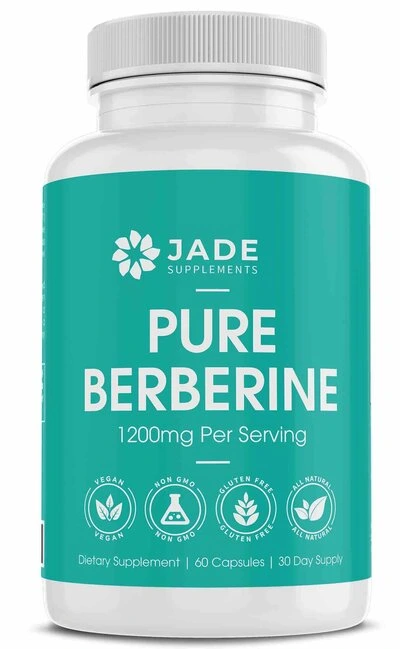
A commonly studied dose is 600 mg in the morning and 600 mg in the evening, for a total of 1,200 mg per day. If you're considering berberine supplementation, look for a product that is third-party tested, properly dosed, and manufactured in the U.S, JADE Pure Berberine. And as with fenugreek, if you're already on glucose-lowering medications, talk to your healthcare provider first — berberine can meaningfully amplify those effects and may require monitoring.
The Pattern Behind All Seven
Look at these foods together, and a clear theme emerges: most of them are high in fiber, dense in micronutrients, and low in saturated fat. That's not a coincidence. That is the metabolic environment that allows insulin sensitivity to recover over time. You don't need to add all seven at once. Pick three from this list and make them consistent daily habits for the next week. Pay attention to your fasting glucose and how you feel after meals. The compounding effect of small, strategic, repeated inputs is what creates real, lasting change — and that's exactly what these foods deliver.
References
[1] Neelakantan, N., et al. (2023). Fenugreek seed supplementation and glycemic control in type 2 diabetes: a meta-analysis. PMC.
[2] Deyno, S., et al. (2023). Efficacy of cinnamon in reducing fasting blood glucose and HbA1c: a systematic review and meta-analysis. PubMed.
[3] Shukla, A.P., et al. (2014). Food order has a significant impact on postprandial glucose and insulin levels. PMC.
[4] Launholt, T.L., et al. (2023). Safety and efficacy of apple cider vinegar for glycemic regulation: a systematic review. PubMed.
[5] Cao et al. (2019). Effects of berberine on glucose-lipid metabolism, inflammatory factors and insulin resistance in patients with metabolic syndrome. Experimental and Therapeutic Medicine.